mabinti
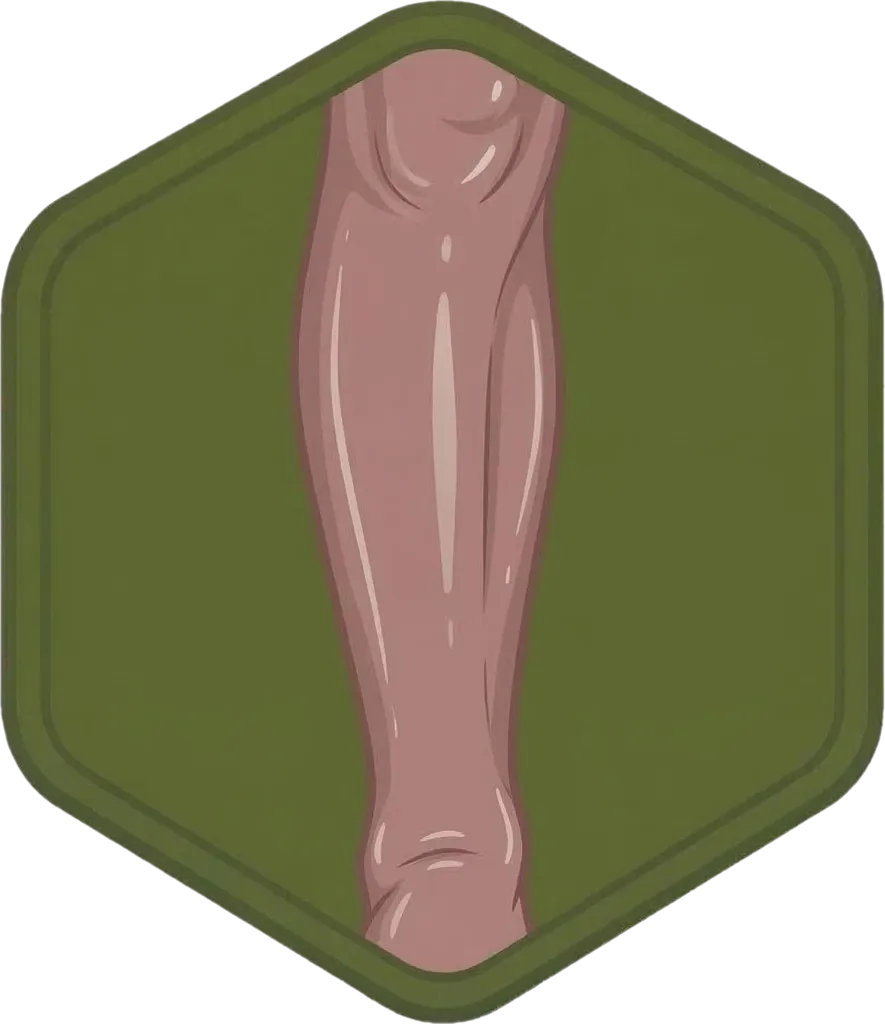
having large calves
From root: binti
Usage Note
Mabinti describes someone with thick or muscular calves. In some contexts, it can be considered a compliment regarding one's leg shape.
Examples
" Mabinti talaga si Tatay. "
Natural Translation
Dad really has muscular calves.
Literal Translation
Muscular-calved really the Dad.
" Talagang mabinti ang manlalarong iyon. "
Natural Translation
That player really has large calves.
Literal Translation
Truly large-calved the player that.
" Kahit hindi siya pumupunta sa gym, mabinti pa rin siya dahil araw-araw siyang naglalakad papunta sa trabaho. "
Natural Translation
Even though he doesn't go to the gym, he still has muscular calves because he walks to work every day.
Literal Translation
Even-though not he go to-the gym, muscular-calved still also he because daily he-linker walking going to work.
Take Tagalog with you
The full course, a 12,500-word dictionary, and flashcards that make every word stick — free to start on iOS and Android.




Tagalog builds thousands of words from a few hundred roots.
How Tagalog words workWord family
binti has 2 related forms built from the same root.
Related Words
Explore Tagalog by topic
Free guides on grammar, vocabulary, and culture to take you past single-word lookups.

Ang, Ng, Sa: The 3 Tagalog Case Markers Explained
Ang, ng, sa are the three Tagalog case markers every noun takes. Learn what each does, the personal forms si/ni/kay, plurals with mga, and clear examples.

Tagalog Word Order: Sentence Structure Made Simple
Why Tagalog puts the verb first, and how ang, ng, and sa markers work. A clear guide to VSO word order, forming questions, and negation.

Tagalog Verb Focus System Explained (It's Not Active vs. Passive)
The Tagalog verb focus system isn't active vs. passive. Learn actor focus, object focus, and more with clear examples that finally make it click.

Na vs -ng in Tagalog: The Linker Rule Made Simple
When do you use na vs -ng in Tagalog? One simple rule, with clear examples, memory tips, and common mistakes explained for English-speaking beginners.