From root: kaliwa
Conjugations
Past (Completed)
ikinaliwa
i-ki-na-li-WA
turned something left
Present (Incomplete)
ikinakaliwa
i-ki-na-ka-li-WA
turning something left
Future (Contemplated)
ikakaliwa
i-ka-ka-li-WA
will turn something left
Usage Note
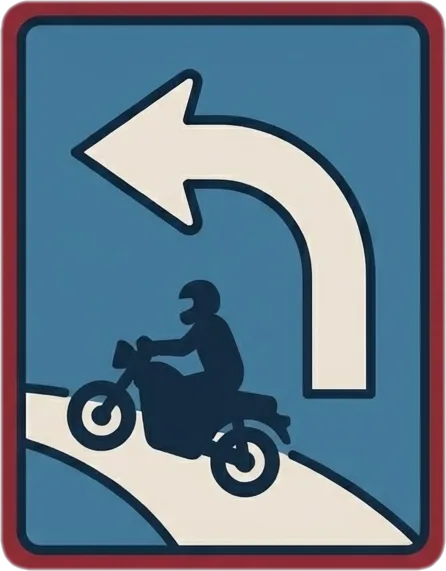
Ikaliwa is used when instructing someone to move or steer an object, such as a vehicle or a tool, towards the left side. It is an object-focus verb typically used in instructional or directional contexts.
Examples
" Ikaliwa mo ang manibela. "
Natural Translation
Turn the steering wheel left.
Literal Translation
Turn-left you the steering-wheel.
" Subukang ikaliwa ang luma mong upuan. "
Natural Translation
Try to turn your old chair left.
Literal Translation
Try turn-left-something the old by-you chair.
" Dahan-dahan mong ikaliwa ang gulong habang umaatras tayo papasok sa makitid na garahe. "
Natural Translation
Slowly turn the wheel left while we back into the narrow garage.
Literal Translation
Slowly you turn-left the wheel while backing we entering to narrow garage.
Take Tagalog with you
The full course, a 12,500-word dictionary, and flashcards that make every word stick — free to start on iOS and Android.




Tagalog builds thousands of words from a few hundred roots.
How Tagalog words workWord family
kaliwa has 7 related forms built from the same root.
Related Words
Explore Tagalog by topic
Free guides on grammar, vocabulary, and culture to take you past single-word lookups.

Tagalog Verb Conjugation: Aspects Made Simple
Tagalog verb conjugation uses aspects, not tenses. Learn the three aspects with -um- and mag- verbs, one reduplication rule, and clear example tables.

Tagalog Word Order: Sentence Structure Made Simple
Why Tagalog puts the verb first, and how ang, ng, and sa markers work. A clear guide to VSO word order, forming questions, and negation.

Tagalog Pronouns Explained: Complete Chart with Examples
Every Tagalog pronoun explained with clear charts: ang/ng/sa forms, tayo vs kami, ikaw vs ka, politeness markers, and the mistakes beginners make.

Tagalog Time Expressions: Past, Present & Future Guide
Tagalog has no tenses — it uses aspect. Learn time words, days of the week, clock time, and the aspect system, with vocabulary tables and cultural notes.