From root: kuha
Conjugations
Past (Completed)
kinuha
ki-NU-ha
took (it)
Present (Incomplete)
kinukuha
ki-nu-KU-ha
taking (it)
Future (Contemplated)
kukunin
ku-ku-NIN
will take (it)
Usage Note
Kunin is the command form; note that the 'h' in the root disappears when the suffix -in is added.
Examples
" Kunin mo ang tubig. "
Natural Translation
Get the water.
Literal Translation
Take you the water.
" Kailangan mong kunin ang baso. "
Natural Translation
You need to take the glass.
Literal Translation
Need you take the glass.
" Pakisabi sa kapatid mo na kunin ang mga pinatuyong damit bago pa sumapit ang ulan ngayong hapon. "
Natural Translation
Please tell your sibling to take in the dried clothes before the rain arrives this afternoon.
Literal Translation
Please-say to sibling your that take the dried clothes before arrives the rain this afternoon.
Take Tagalog with you
The full course, a 12,500-word dictionary, and flashcards that make every word stick — free to start on iOS and Android.




Tagalog builds thousands of words from a few hundred roots.
How Tagalog words workWord family
kuha has 8 related forms built from the same root.
Related Words
Explore Tagalog by topic
Free guides on grammar, vocabulary, and culture to take you past single-word lookups.

Tagalog Pronouns Explained: Complete Chart with Examples
Every Tagalog pronoun explained with clear charts: ang/ng/sa forms, tayo vs kami, ikaw vs ka, politeness markers, and the mistakes beginners make.

Na vs -ng in Tagalog: The Linker Rule Made Simple
When do you use na vs -ng in Tagalog? One simple rule, with clear examples, memory tips, and common mistakes explained for English-speaking beginners.

Tagalog Verb Conjugation: Aspects Made Simple
Tagalog verb conjugation uses aspects, not tenses. Learn the three aspects with -um- and mag- verbs, one reduplication rule, and clear example tables.
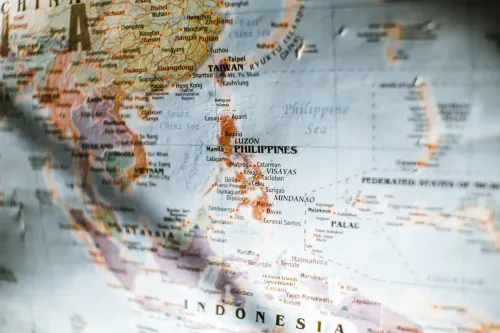
Philippines Geography for Learners: Islands & Language
Philippines geography for Tagalog learners: 7,641 islands, three island groups, and the Southern Luzon heartland where the Tagalog language was born.