From root: pulo
Usage Note
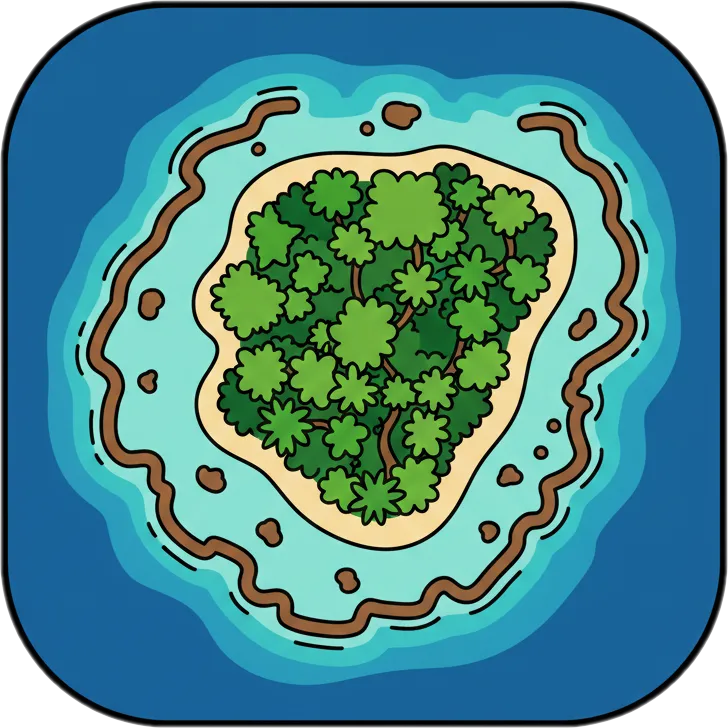
Kapuluan is the formal and geographical term for a group of islands. It is most commonly used when referring to the entire Philippine archipelago.
Examples
" Maganda ang ating kapuluan. "
Natural Translation
Our archipelago is beautiful.
Literal Translation
Beautiful the our archipelago.
" Ang Pilipinas ay isang kapuluan. "
Natural Translation
The Philippines is an archipelago.
Literal Translation
The Philippines is an archipelago.
" Bumibisita ang maraming turista sa kapuluan ng Pilipinas dahil sa mga puting buhangin at malinaw na karagatan nito. "
Natural Translation
Many tourists visit the Philippine archipelago because of its white sands and clear seas.
Literal Translation
Visiting the many tourists at archipelago of Philippines because of the white sands and clear seas its.
Take Tagalog with you
The full course, a 12,500-word dictionary, and flashcards that make every word stick — free to start on iOS and Android.




Tagalog builds thousands of words from a few hundred roots.
How Tagalog words workWord family
pulo has 2 related forms built from the same root.
Related Words
Explore Tagalog by topic
Free guides on grammar, vocabulary, and culture to take you past single-word lookups.

Philippines Geography for Learners: Islands & Language
Philippines geography for Tagalog learners: 7,641 islands, three island groups, and the Southern Luzon heartland where the Tagalog language was born.

Po and Opo in Tagalog: Where to Put Them Right
Po and opo confuse learners — but placement follows one rule. Where po goes in a sentence, why it's opo not 'oo po', and the pronoun shift to learn.

Ang, Ng, Sa: The 3 Tagalog Case Markers Explained
Ang, ng, sa are the three Tagalog case markers every noun takes. Learn what each does, the personal forms si/ni/kay, plurals with mga, and clear examples.

How Long Does It Take to Learn Tagalog?
Survival Tagalog takes ~3-4 weeks and comfortable conversation 6-12 months. FSI's 1,100 hours is the professional bar, not the talking-to-family bar.