tansan
tansán with stress marks
bottle cap
Usage Note
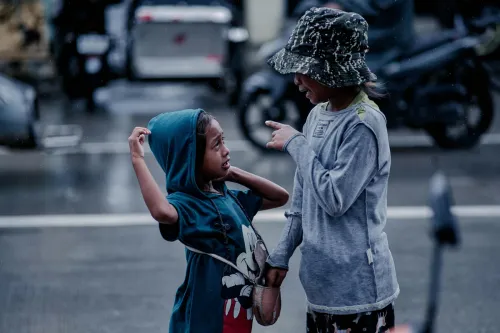
Tansan comes from the Japanese word for carbonated water (tansansui), and in the Philippines it has come to mean the metal crown cap on bottles. Children often collect tansan as toys or currency for street games. It is a casual, everyday word deeply embedded in Filipino childhood culture.
Examples
" May tansan sa lamesa. "
Natural Translation
There's a bottle cap on the table.
Literal Translation
There-is bottle-cap on table.
" Nakakita ako ng tansan sa kalsada. "
Natural Translation
I saw a bottle cap on the road.
Literal Translation
Saw I of bottle-cap on road.
" Noong bata pa kami, gumagamit kami ng tansan bilang pera sa mga laro sa kalsada. "
Natural Translation
When we were still kids, we used bottle caps as money in our street games.
Literal Translation
When child still we, using we of bottle-cap as money in games on street.
Take Tagalog with you
The full course, a 12,500-word dictionary, and flashcards that make every word stick — free to start on iOS and Android.




Tagalog builds thousands of words from a few hundred roots.
How Tagalog words workRelated Words
Explore Tagalog by topic
Free guides on grammar, vocabulary, and culture to take you past single-word lookups.
How to Say Sorry in Tagalog: Patawad vs Pasensya
How to say sorry in Tagalog: patawad, pasensya na, and paumanhin compared on a simple severity-and-formality ladder so you pick the right word every time.

Tagalog Verb Conjugation: Aspects Made Simple
Tagalog verb conjugation uses aspects, not tenses. Learn the three aspects with -um- and mag- verbs, one reduplication rule, and clear example tables.

Na vs -ng in Tagalog: The Linker Rule Made Simple
When do you use na vs -ng in Tagalog? One simple rule, with clear examples, memory tips, and common mistakes explained for English-speaking beginners.

Tagalog Time Expressions: Past, Present & Future Guide
Tagalog has no tenses — it uses aspect. Learn time words, days of the week, clock time, and the aspect system, with vocabulary tables and cultural notes.