tsokolate
tsokoláte with stress marks
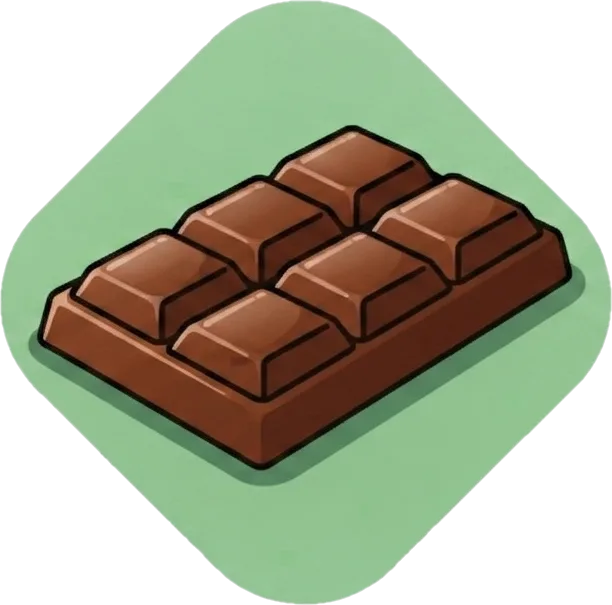
chocolate; brown color
Usage Note
Tsokolate is borrowed from Spanish chocolate and in Philippine culture most famously refers to the traditional hot drink made from tablea (pressed cacao tablets), a staple merienda especially in the Visayas and in old colonial recipes. As an adjective it describes a deep brown color.
Examples
" Gusto ko ng mainit na tsokolate. "
Natural Translation
I want some hot chocolate.
Literal Translation
Want I of hot chocolate.
" Kumain siya ng matamis na tsokolate. "
Natural Translation
He/She ate sweet chocolate.
Literal Translation
Ate he/she of sweet chocolate.
" Tuwing Pasko, gumagawa ang lola ko ng mainit na tsokolate mula sa tablea para sa buong pamilya. "
Natural Translation
Every Christmas, my grandmother makes hot chocolate from tablea for the whole family.
Literal Translation
Every Christmas, makes the grandmother my of hot chocolate from tablea for the whole family.
Take Tagalog with you
The full course, a 12,500-word dictionary, and flashcards that make every word stick — free to start on iOS and Android.




Tagalog builds thousands of words from a few hundred roots.
How Tagalog words workRelated Words
Explore Tagalog by topic
Free guides on grammar, vocabulary, and culture to take you past single-word lookups.

How Long Does It Take to Learn Tagalog?
Survival Tagalog takes ~3-4 weeks and comfortable conversation 6-12 months. FSI's 1,100 hours is the professional bar, not the talking-to-family bar.

Tagalog vs Filipino: What's the Difference & Which to Learn
Tagalog and Filipino aren't the same language — but they overlap almost completely. Here's the real difference and which one you should actually learn.

Is Tagalog Hard to Learn? An Honest Answer
Tagalog takes around 1,100 hours to reach professional proficiency. Here is what is easy, what is hard, and what to expect at 3, 6, and 12 months.

Spaced Repetition for Tagalog: How Flashcards Make Words Stick
Cramming Tagalog vocabulary fails. See how spaced repetition — the science behind smart flashcards — makes words stick for the long term.