
From root: uhaw
Usage Note
Pang-uhaw is used to describe items or drinks specifically prepared to address thirst. It is less common than pamatid-uhaw in daily speech.
Examples
" Pang-uhaw ang malamig na buko. "
Natural Translation
Cold coconut juice is good for thirst.
Literal Translation
For-thirst the cold coconut.
" Ito ang masarap na pang-uhaw. "
Natural Translation
This is a delicious thing for thirst.
Literal Translation
This the delicious that intended-for-thirst.
" Sa tindi ng tag-init, naghanda sila ng maraming inuming pang-uhaw para sa mga bisita. "
Natural Translation
With the intensity of summer, they prepared many thirst-quenching drinks for the guests.
Literal Translation
In intensity of summer, prepared they of many drinks for-thirst for the guests.
Take Tagalog with you
The full course, a 12,500-word dictionary, and flashcards that make every word stick — free to start on iOS and Android.




Tagalog builds thousands of words from a few hundred roots.
How Tagalog words workWord family
uhaw has 5 related forms built from the same root.
Explore Tagalog by topic
Free guides on grammar, vocabulary, and culture to take you past single-word lookups.

Tagalog Slang Guide: 20 Words You'll Hear on TikTok
Tagalog slang explained: lodi, petmalu, werpa, astig, chika and more. Decode Filipino TikTok comments, group chats, and pop culture with this practical guide.
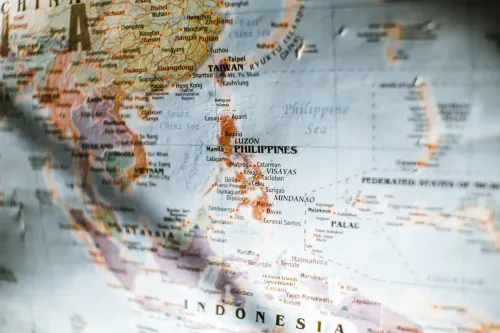
Philippines Geography for Learners: Islands & Language
Philippines geography for Tagalog learners: 7,641 islands, three island groups, and the Southern Luzon heartland where the Tagalog language was born.

Po and Opo in Tagalog: Where to Put Them Right
Po and opo confuse learners — but placement follows one rule. Where po goes in a sentence, why it's opo not 'oo po', and the pronoun shift to learn.

Is Tagalog Hard to Learn? An Honest Answer
Tagalog takes around 1,100 hours to reach professional proficiency. Here is what is easy, what is hard, and what to expect at 3, 6, and 12 months.