umungol
umungól with stress marks
to moan; to groan; to grumble
From root: ungol
Conjugations
Past (Completed)
umungol
u-MU-ngol
moaned
Present (Incomplete)
umuungol
u-mu-U-ngol
is moaning
Future (Contemplated)
uungol
u-U-ngol
will moan
Usage Note
Umungol is the actor-focus form of ungol, foregrounding the person producing a low moan, groan, or grumble. It covers the full range from pained moaning during illness to the dissatisfied muttering of someone who is reluctant or annoyed, making it versatile in everyday speech.
Examples
" Umungol ang aso sa sakit. "
Natural Translation
The dog whined in pain.
Literal Translation
Moaned the dog in pain.
" Nagsimulang umungol ang maysakit dahil sa tindi ng lagnat. "
Natural Translation
The sick person started to groan due to the intensity of the fever.
Literal Translation
Started to-groan the sick-person because of intensity of fever.
" Umungol ang lolo sa kama dahil sa sakit ng kaniyang likod tuwing umaga. "
Natural Translation
Grandfather groaned in bed because of the pain in his back every morning.
Literal Translation
Moaned the grandfather in bed because of pain of his back every morning.
Take Tagalog with you
The full course, a 12,500-word dictionary, and flashcards that make every word stick — free to start on iOS and Android.




Tagalog builds thousands of words from a few hundred roots.
How Tagalog words workRelated Words
Explore Tagalog by topic
Free guides on grammar, vocabulary, and culture to take you past single-word lookups.

Tagalog vs Filipino: What's the Difference & Which to Learn
Tagalog and Filipino aren't the same language — but they overlap almost completely. Here's the real difference and which one you should actually learn.

Tagalog Greetings: How to Say Hello, Goodbye & Po/Opo
Master Tagalog greetings with pronunciation: kumusta, magandang umaga, po and opo polite forms, time-of-day phrases, and the mano po tradition.

How Long Does It Take to Learn Tagalog?
Survival Tagalog takes ~3-4 weeks and comfortable conversation 6-12 months. FSI's 1,100 hours is the professional bar, not the talking-to-family bar.
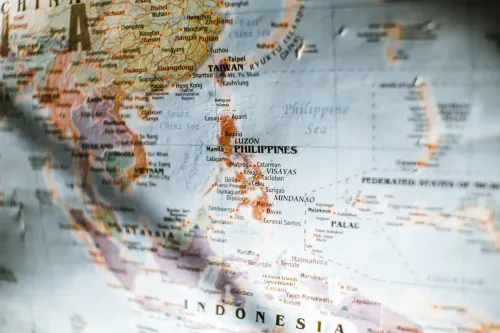
Philippines Geography for Learners: Islands & Language
Philippines geography for Tagalog learners: 7,641 islands, three island groups, and the Southern Luzon heartland where the Tagalog language was born.