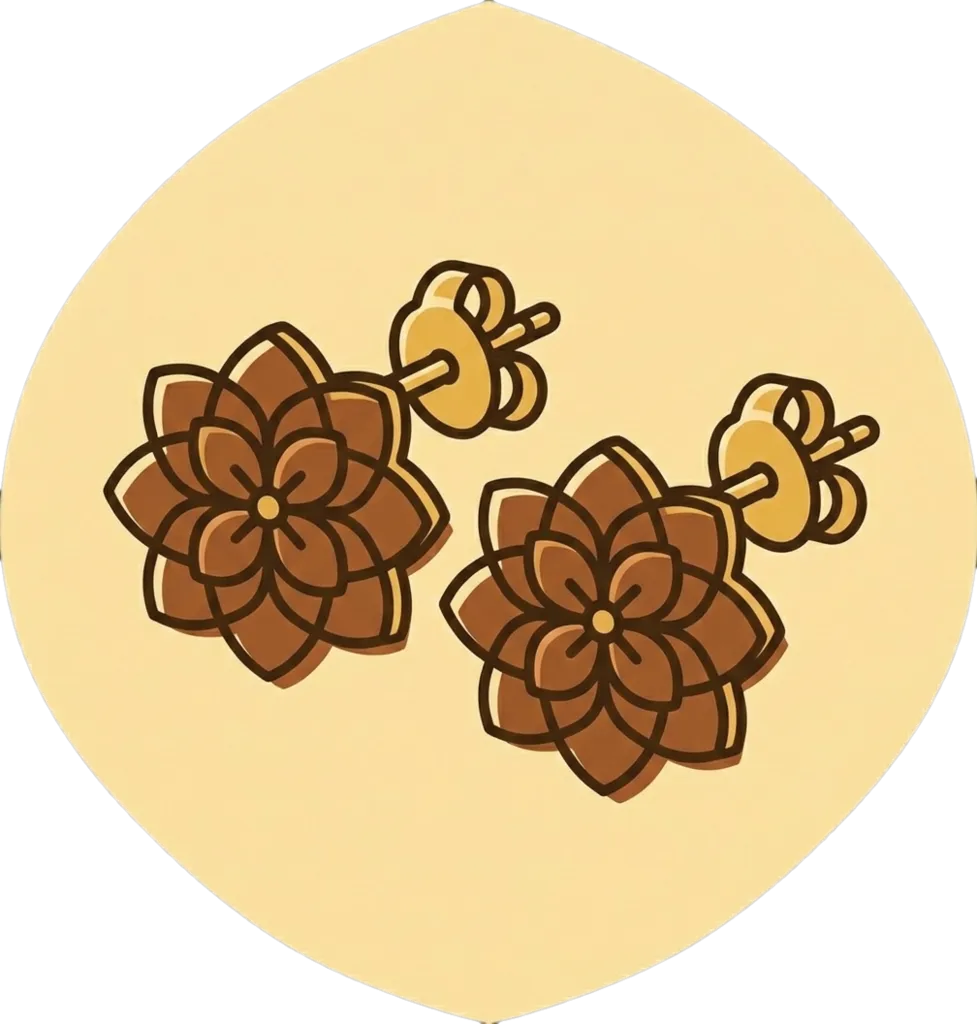
From root: hikaw
Usage Note
Hikawan is the locative noun of hikaw formed with the -an suffix, denoting the pierced hole or opening in the earlobe through which an earring is inserted. It refers to the anatomical or physical site rather than the jewelry itself, and is the natural word when discussing piercing care, healing, or the act of getting ears pierced.
Examples
" Masakit pa ang hikawan ko. "
Natural Translation
My earring hole still hurts.
Literal Translation
Painful still the earring-hole my.
" Linisin mo ang hikawan mo. "
Natural Translation
Clean your earring hole.
Literal Translation
Clean you the earring-hole your.
" Pinapayuhan ng doktor na linisin araw-araw ang hikawan habang naghihilom para hindi ito mamaga o mahawa. "
Natural Translation
The doctor advises cleaning the earring hole every day while it heals so that it does not swell or get infected.
Literal Translation
Advised by doctor that to-clean every-day the earring-hole while healing so-that not it to-swell or to-be-infected.
Take Tagalog with you
The full course, a 12,500-word dictionary, and flashcards that make every word stick — free to start on iOS and Android.




Tagalog builds thousands of words from a few hundred roots.
How Tagalog words workWord family
hikaw has 5 related forms built from the same root.
Related Words
Explore Tagalog by topic
Free guides on grammar, vocabulary, and culture to take you past single-word lookups.

Ng vs Nang in Tagalog: The Spelling Rule
Ng vs nang sound identical but spell differently. Use ng to mark nouns (of, the object), and nang for how, when, repetition, and counting time.

Tagalog Question Words: Ano, Sino, Saan & More
Tagalog question words like ano, sino, and saan need the right frame to work. Learn the ang-vs-pronoun rule, confusable pairs, and the ba particle with audio.

Tagalog Time Expressions: Past, Present & Future Guide
Tagalog has no tenses — it uses aspect. Learn time words, days of the week, clock time, and the aspect system, with vocabulary tables and cultural notes.

Tagalog Greetings: How to Say Hello, Goodbye & Po/Opo
Master Tagalog greetings with pronunciation: kumusta, magandang umaga, po and opo polite forms, time-of-day phrases, and the mano po tradition.