kahigin
kahigín with stress marks
to scratch [it]
From root: kahig
Conjugations
Past (Completed)
kinahig
ki-NA-hig
scratched
Present (Incomplete)
kinakahig
ki-na-KA-hig
is being scratched
Future (Contemplated)
kakahigin
ka-ka-hi-GIN
will be scratched
Usage Note
Kahigin is the object-focus -in form of kahig, placing grammatical focus on the surface or material being scratched, scraped, or raked — soil, leaves, debris. It is used in agricultural and domestic-cleaning contexts where the result of the scraping action is the main concern, pairing with the actor-focus kumahig.
Examples
" Kahigin mo ang lupa. "
Natural Translation
Scratch the soil.
Literal Translation
Scratch you the soil.
" Huwag mo na kahigin ang pader. "
Natural Translation
Do not scratch the wall.
Literal Translation
Do not you scratch the wall.
" Bago magtanim, kailangan mong kahigin ang lupa upang matanggal ang mga damo at maliliit na bato. "
Natural Translation
Before planting, you need to rake the soil to remove the weeds and small stones.
Literal Translation
Before to-plant, need you to-rake the soil so-that be-removed the weeds and small stones.
Take Tagalog with you
The full course, a 12,500-word dictionary, and flashcards that make every word stick — free to start on iOS and Android.




Tagalog builds thousands of words from a few hundred roots.
How Tagalog words workWord family
kahig has 1 related form built from the same root.
Related Words
Explore Tagalog by topic
Free guides on grammar, vocabulary, and culture to take you past single-word lookups.

Is Tagalog Hard to Learn? An Honest Answer
Tagalog takes around 1,100 hours to reach professional proficiency. Here is what is easy, what is hard, and what to expect at 3, 6, and 12 months.
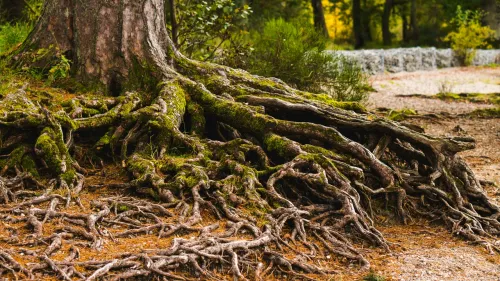
Tagalog Root Words: Learn a Few Hundred, Understand Thousands
Tagalog root words unlock vocabulary fast: learn a few hundred and recognize thousands. Real word families, examples, and a practical study strategy.

Philippine Christmas Traditions: World's Longest Holiday
Philippine Christmas traditions run four months — from Ber-month carols to Simbang Gabi dawn masses, Noche Buena feasts, and parol lanterns lighting every street.
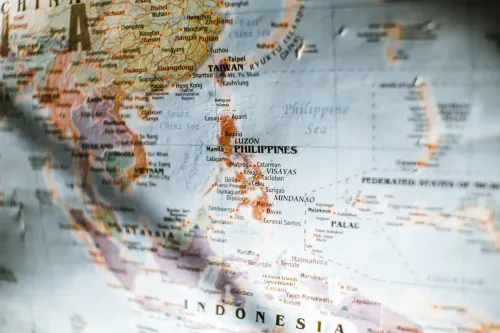
Philippines Geography for Learners: Islands & Language
Philippines geography for Tagalog learners: 7,641 islands, three island groups, and the Southern Luzon heartland where the Tagalog language was born.