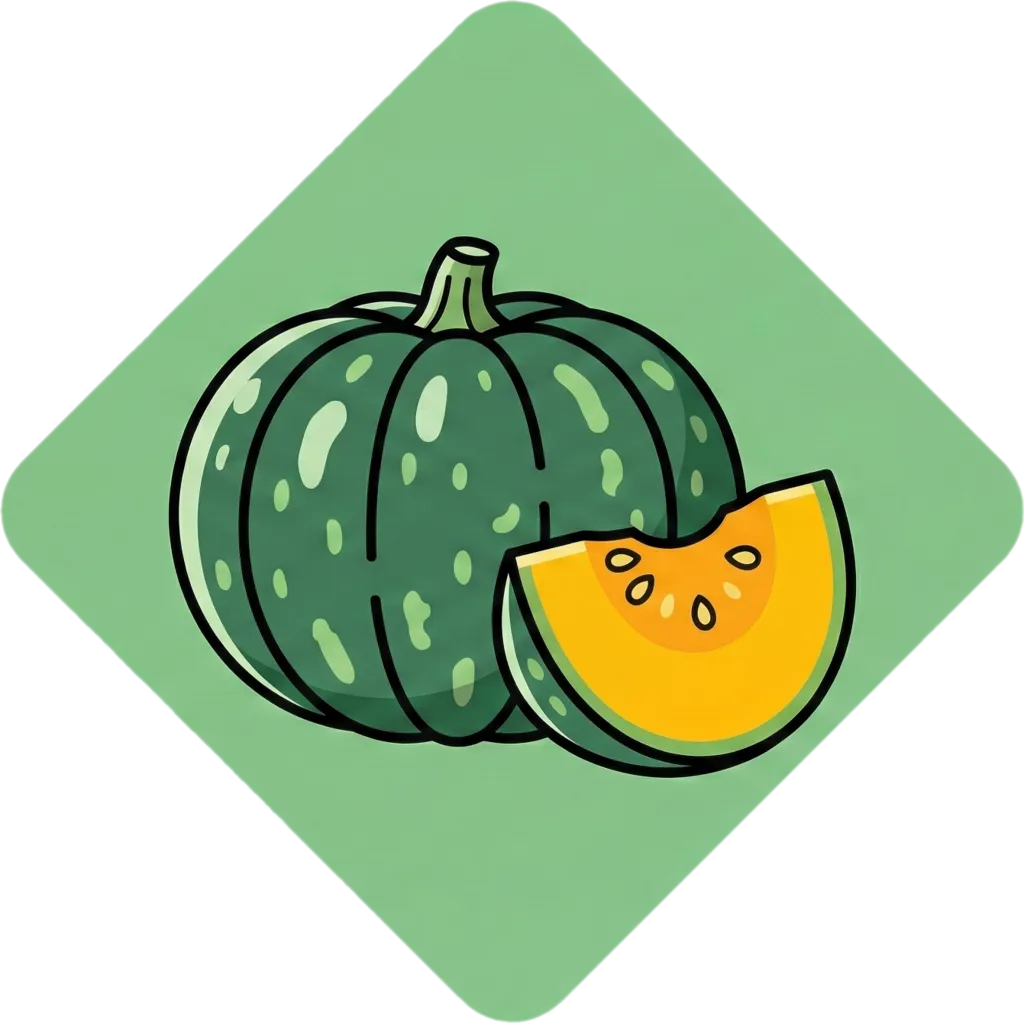
From root: kalabasa
Conjugations
Past (Completed)
nagkalabasa
nag-ka-la-BA-sa
planted or sold squash
Present (Incomplete)
nagkakalabasa
nag-ka-ka-la-BA-sa
planting or selling squash
Future (Contemplated)
magkakalabasa
mag-ka-ka-la-BA-sa
will plant or sell squash
Usage Note
Magkalabasa is used to describe the specific activity of planting or selling squash, typically within an agricultural or market context. While grammatically correct, it is less common in everyday urban speech than using the general verbs 'magtanim' or 'magtinda' followed by the noun.
Examples
" Plano nilang magkalabasa ngayon. "
Natural Translation
They plan to plant squash now.
Literal Translation
Plan they to-plant-squash now.
" Nagdesisyon silang magkalabasa ngayong taon. "
Natural Translation
They decided to plant squash this year.
Literal Translation
Decided they to-plant-squash this year.
" Kung gusto ninyong magkalabasa sa likod-bahay, siguruhin ninyong sapat ang sikat ng araw at matabang ang lupa. "
Natural Translation
If you want to plant squash in the backyard, make sure the sunlight is sufficient and the soil is fertile.
Literal Translation
If want you to-plant-squash in backyard, ensure you enough the shine of sun and fertile the soil.
Take Tagalog with you
The full course, a 12,500-word dictionary, and flashcards that make every word stick — free to start on iOS and Android.




Tagalog builds thousands of words from a few hundred roots.
How Tagalog words workWord family
kalabasa has 2 related forms built from the same root.
Related Words
Explore Tagalog by topic
Free guides on grammar, vocabulary, and culture to take you past single-word lookups.

Tagalog vs Filipino: What's the Difference & Which to Learn
Tagalog and Filipino aren't the same language — but they overlap almost completely. Here's the real difference and which one you should actually learn.

Magkano: How to Ask "How Much" in Tagalog
Magkano means how much in Tagalog. Learn to ask a price, tell it apart from ilan and gaano, sound polite with po, and haggle at the palengke.

Ang, Ng, Sa: The 3 Tagalog Case Markers Explained
Ang, ng, sa are the three Tagalog case markers every noun takes. Learn what each does, the personal forms si/ni/kay, plurals with mga, and clear examples.

Tagalog Root Words: Learn a Few Hundred, Understand Thousands
Tagalog root words unlock vocabulary fast: learn a few hundred and recognize thousands. Real word families, examples, and a practical study strategy.