nakakamiseta
wearing an undershirt
From root: kamiseta
Usage Note
Nakakamiseta uses the naka- prefix on kamiseta to describe a person currently dressed in a T-shirt or undershirt, often implying informal or casual dress. It is frequently used when noting that someone is underdressed for an occasion or simply dressed for comfort at home.
Examples
" Nakakamiseta lang ako sa bahay. "
Natural Translation
I'm just wearing an undershirt at home.
Literal Translation
Wearing-undershirt only I at home.
" Siya ay nakakamiseta lamang sa bahay. "
Natural Translation
He is just wearing an undershirt at home.
Literal Translation
He is wearing-an-undershirt only at home.
" Nahihiya siyang sumagot sa pinto dahil nakakamiseta lamang siya nang biglang dumating ang mga bisita. "
Natural Translation
He was embarrassed to answer the door because he was only wearing an undershirt when the guests suddenly arrived.
Literal Translation
Embarrassed he to-answer at door because wearing-undershirt only he when suddenly arrived the guests.
Take Tagalog with you
The full course, a 12,500-word dictionary, and flashcards that make every word stick — free to start on iOS and Android.




Tagalog builds thousands of words from a few hundred roots.
How Tagalog words workWord family
kamiseta has 3 related forms built from the same root.
Related Words
Explore Tagalog by topic
Free guides on grammar, vocabulary, and culture to take you past single-word lookups.
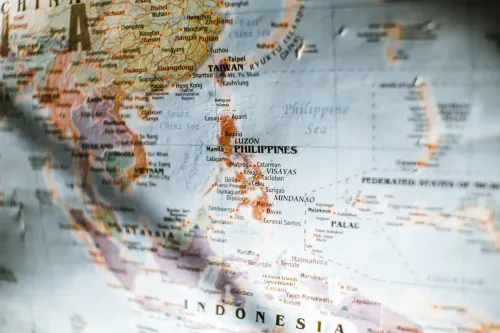
Philippines Geography for Learners: Islands & Language
Philippines geography for Tagalog learners: 7,641 islands, three island groups, and the Southern Luzon heartland where the Tagalog language was born.

How to Say Sorry in Tagalog: Patawad vs Pasensya
How to say sorry in Tagalog: patawad, pasensya na, and paumanhin compared on a simple severity-and-formality ladder so you pick the right word every time.

Tagalog vs Filipino: What's the Difference & Which to Learn
Tagalog and Filipino aren't the same language — but they overlap almost completely. Here's the real difference and which one you should actually learn.

Magkano: How to Ask "How Much" in Tagalog
Magkano means how much in Tagalog. Learn to ask a price, tell it apart from ilan and gaano, sound polite with po, and haggle at the palengke.