kawa
kawâ with stress marks
large vat; cauldron; large wok
Usage Note
Kawa is a large, deep, rounded iron or clay vessel used for cooking large quantities of food, typically at community feasts, fiestas, or commercial food preparation. It is iconic in Filipino culinary culture, especially for making binagoongan, lechon, or boiling bibingka batter.
Examples
" Malaki ang kawa nila. "
Natural Translation
Their cauldron is big.
Literal Translation
Big the cauldron their.
" Inihanda nila ang pagkain para sa pista sa isang malaking kawa. "
Natural Translation
They prepared the food for the feast in a large cauldron.
Literal Translation
Prepared they the food for the feast in a large cauldron.
" Pinakuluan nila ang buong baboy sa isang malaking kawa habang naghihintay ang mga panauhin sa pista. "
Natural Translation
They boiled the whole pig in a large cauldron while the guests waited at the feast.
Literal Translation
Boiled they the whole pig in a large cauldron while waiting the plural guests at-the feast.
Take Tagalog with you
The full course, a 12,500-word dictionary, and flashcards that make every word stick — free to start on iOS and Android.




Tagalog builds thousands of words from a few hundred roots.
How Tagalog words workRelated Words
Explore Tagalog by topic
Free guides on grammar, vocabulary, and culture to take you past single-word lookups.
Tagalog vs Filipino: What's the Difference & Which to Learn
Tagalog and Filipino aren't the same language — but they overlap almost completely. Here's the real difference and which one you should actually learn.

Po and Opo in Tagalog: Where to Put Them Right
Po and opo confuse learners — but placement follows one rule. Where po goes in a sentence, why it's opo not 'oo po', and the pronoun shift to learn.

Mano Po and Filipino Etiquette: A Visitor's Guide
Mano po presses an elder's hand to your forehead as a blessing. Learn who to mano, how to lip-point, and the etiquette that wins over a Filipino family.
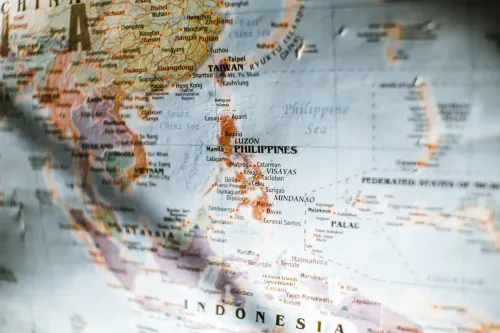
Philippines Geography for Learners: Islands & Language
Philippines geography for Tagalog learners: 7,641 islands, three island groups, and the Southern Luzon heartland where the Tagalog language was born.