Also means
Labi can also mean excess, remainder, or the physical remains of a deceased person when pronounced as labí.
Usage Note
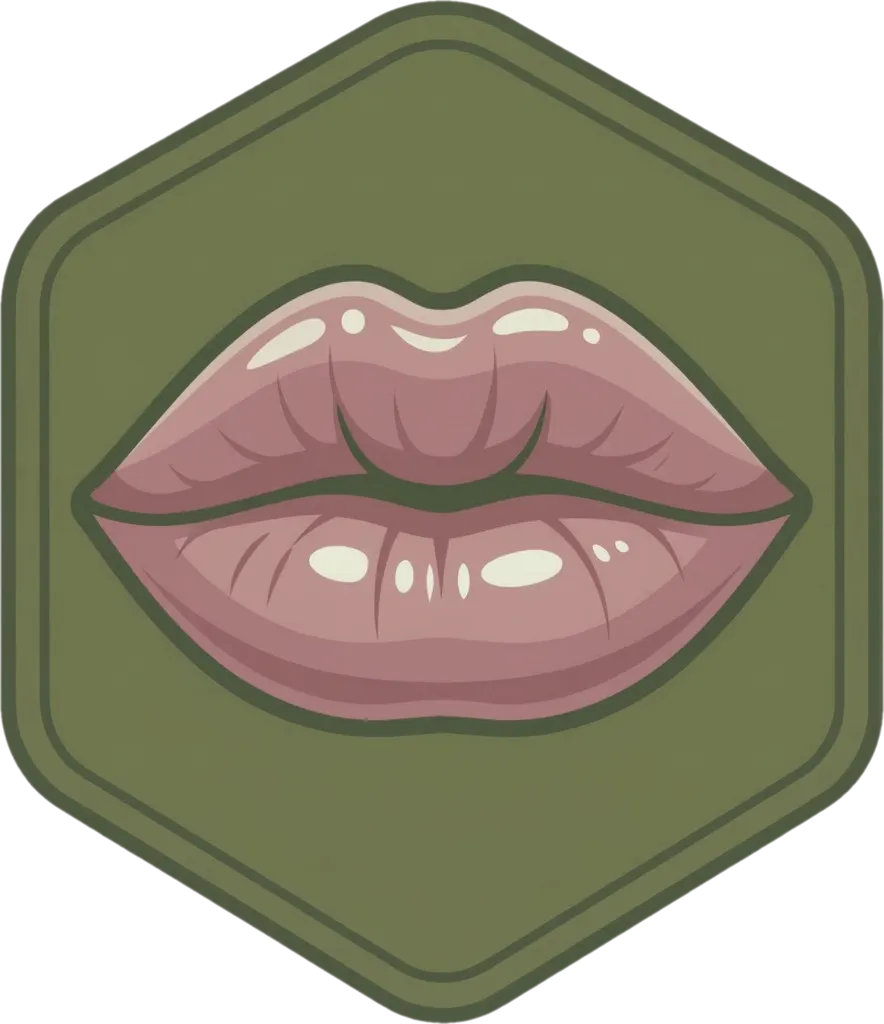
Labì refers to the lips and is commonly used in its plural form, mga labì, when describing facial features or expressions. It is important to distinguish it from the word labí (stressed on the last syllable), which means 'remains' or 'leftover.'
Examples
" Tuyo ang labi ko. "
Natural Translation
My lips are dry.
Literal Translation
Dry the lips my.
" Ang labi mo ay pula. "
Natural Translation
Your lips are red.
Literal Translation
Your lips are red.
" Ngumiti siya nang bahagya, ngunit nanginginig ang kanyang mga labi habang sinisikap niyang pigilan ang luha. "
Natural Translation
She smiled faintly, but her lips trembled as she tried to hold back her tears.
Literal Translation
Smiled she slightly, but trembling the her lips while trying she to-hold-back the tears.
Take Tagalog with you
The full course, a 12,500-word dictionary, and flashcards that make every word stick — free to start on iOS and Android.




Tagalog builds thousands of words from a few hundred roots.
How Tagalog words workDerived Words
Object Focus Verbs
Related Words
Explore Tagalog by topic
Free guides on grammar, vocabulary, and culture to take you past single-word lookups.

Ng vs Nang in Tagalog: The Spelling Rule
Ng vs nang sound identical but spell differently. Use ng to mark nouns (of, the object), and nang for how, when, repetition, and counting time.

Ang, Ng, Sa: The 3 Tagalog Case Markers Explained
Ang, ng, sa are the three Tagalog case markers every noun takes. Learn what each does, the personal forms si/ni/kay, plurals with mga, and clear examples.

Tagalog Root Words: Learn a Few Hundred, Understand Thousands
Tagalog root words unlock vocabulary fast: learn a few hundred and recognize thousands. Real word families, examples, and a practical study strategy.
Spaced Repetition for Tagalog: How Flashcards Make Words Stick
Cramming Tagalog vocabulary fails. See how spaced repetition — the science behind smart flashcards — makes words stick for the long term.