From root: lagnat
Usage Note
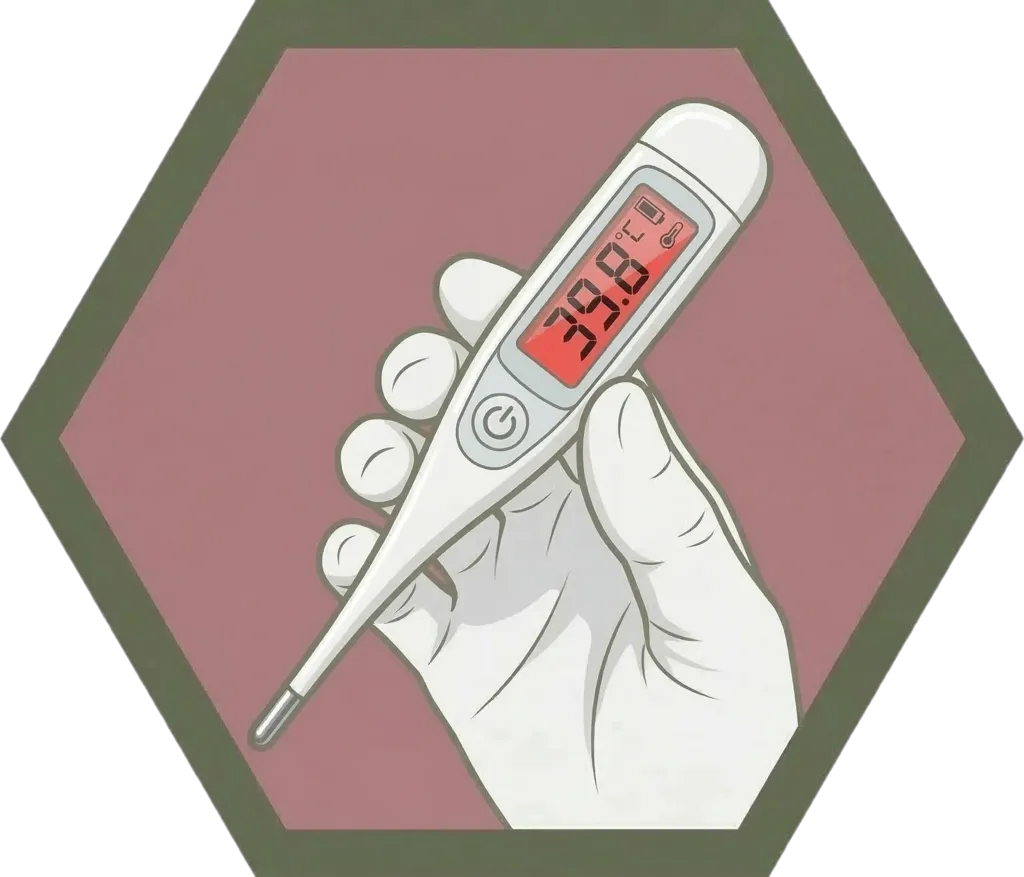
Pagkalagnat refers to the condition or the period during which one has a fever. For example, you might mention the duration of the illness by saying Ang pagkalagnat niya ay tumagal ng tatlong araw.
Examples
" Tatlong araw ang pagkalagnat ko. "
Natural Translation
My fever lasted three days.
Literal Translation
Three days the state-of-having-fever my.
" Dahil ito sa pagkalagnat ko. "
Natural Translation
This is because of my state of having a fever.
Literal Translation
Because this to state-of-having-fever my.
" Matapos ang ilang araw na pagkalagnat, payo ng doktor na magpahinga muna siya bago bumalik sa trabaho. "
Natural Translation
After several days of fever, the doctor advised that he rest first before returning to work.
Literal Translation
After the few days of state-of-having-fever, advice of doctor that rest first he before return to work.
Take Tagalog with you
The full course, a 12,500-word dictionary, and flashcards that make every word stick — free to start on iOS and Android.




Tagalog builds thousands of words from a few hundred roots.
How Tagalog words workWord family
lagnat has 3 related forms built from the same root.
Related Words
Explore Tagalog by topic
Free guides on grammar, vocabulary, and culture to take you past single-word lookups.

Tagalog vs Filipino: What's the Difference & Which to Learn
Tagalog and Filipino aren't the same language — but they overlap almost completely. Here's the real difference and which one you should actually learn.

Magkano: How to Ask "How Much" in Tagalog
Magkano means how much in Tagalog. Learn to ask a price, tell it apart from ilan and gaano, sound polite with po, and haggle at the palengke.

Na vs -ng in Tagalog: The Linker Rule Made Simple
When do you use na vs -ng in Tagalog? One simple rule, with clear examples, memory tips, and common mistakes explained for English-speaking beginners.

Tagalog Pronouns Explained: Complete Chart with Examples
Every Tagalog pronoun explained with clear charts: ang/ng/sa forms, tayo vs kami, ikaw vs ka, politeness markers, and the mistakes beginners make.