From root: mata
Conjugations
Past (Completed)
namata
na-ma-TA
looked down on
Present (Incomplete)
namamata
na-ma-ma-TA
looking down on
Future (Contemplated)
mamamata
ma-ma-ma-TA
will look down on
Usage Note
Mamata is used to describe the act of looking down on or belittling others, often based on a perceived difference in social status or wealth. It is a more formal or literary term compared to 'maliitin' and is frequently used when discussing social injustice or arrogance.
Examples
" Huwag kang mamata sa mahirap. "
Natural Translation
Don't look down on the poor.
Literal Translation
Don't you look-down-on at-the poor.
" Huwag mamata sa mga tao. "
Natural Translation
Don't look down on people.
Literal Translation
Don't look down on people.
" Madaling mamata sa iba kapag mataas ang tingin mo sa sarili, ngunit hindi iyon tama. "
Natural Translation
It is easy to look down on others when you think highly of yourself, but that is not right.
Literal Translation
Easy to-look-down-on at others when high the view your at self, but not that right.
Take Tagalog with you
The full course, a 12,500-word dictionary, and flashcards that make every word stick — free to start on iOS and Android.




Tagalog builds thousands of words from a few hundred roots.
How Tagalog words workWord family
mata has 7 related forms built from the same root.
Related Words
Explore Tagalog by topic
Free guides on grammar, vocabulary, and culture to take you past single-word lookups.
Philippines Geography for Learners: Islands & Language
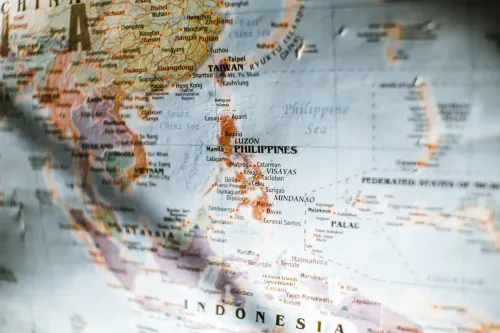
Philippines geography for Tagalog learners: 7,641 islands, three island groups, and the Southern Luzon heartland where the Tagalog language was born.

Tagalog Slang Guide: 20 Words You'll Hear on TikTok
Tagalog slang explained: lodi, petmalu, werpa, astig, chika and more. Decode Filipino TikTok comments, group chats, and pop culture with this practical guide.

Tagalog Greetings: How to Say Hello, Goodbye & Po/Opo
Master Tagalog greetings with pronunciation: kumusta, magandang umaga, po and opo polite forms, time-of-day phrases, and the mano po tradition.

Ang, Ng, Sa: The 3 Tagalog Case Markers Explained
Ang, ng, sa are the three Tagalog case markers every noun takes. Learn what each does, the personal forms si/ni/kay, plurals with mga, and clear examples.