pabasa
pabása with stress marks
tradition of chanting the passion of Christ
Usage Note
Pabasa is derived from basa with the prefix pa- and refers to the Philippine Catholic tradition of chanting the Pasyon, a narrative poem recounting the life and passion of Jesus Christ, typically held during Holy Week. Pabasa gatherings can last continuously for days and are a deeply communal religious event.
Examples
" May pabasa sa simbahan ngayon. "
Natural Translation
There is a chanting of the passion at the church today.
Literal Translation
Has chanting-of-the-passion at church today.
" Dumalo sila sa pabasa kahapon. "
Natural Translation
They attended the chanting of the passion yesterday.
Literal Translation
Attended they in chanting-of-the-passion yesterday.
" Tuwing Mahal na Araw, nagtitipon ang buong barangay para sa pabasa na tumatagal nang maghapon at magdamag. "
Natural Translation
Every Holy Week, the whole barangay gathers for the chanting of the passion that lasts all day and all night.
Literal Translation
Every Holy linker Day, gathers the whole barangay for the chanting-of-the-passion that lasts for all-day and all-night.
Take Tagalog with you
The full course, a 12,500-word dictionary, and flashcards that make every word stick — free to start on iOS and Android.




Tagalog builds thousands of words from a few hundred roots.
How Tagalog words workRelated Words
Explore Tagalog by topic
Free guides on grammar, vocabulary, and culture to take you past single-word lookups.

Tagalog Affixes Explained: A Beginner's Guide to Word Building
Tagalog affixes turn one root word into dozens of meanings. Learn prefixes, infixes, suffixes, and circumfixes with clear examples for beginners.
Seasons in the Philippines: A Tagalog Guide
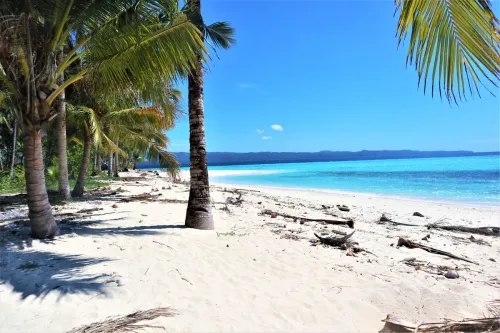
The Philippines has two seasons, not four. Learn tag-araw, tag-ulan, and taglamig, the generative tag- prefix, and the weather vocabulary to match.

Ng vs Nang in Tagalog: The Spelling Rule
Ng vs nang sound identical but spell differently. Use ng to mark nouns (of, the object), and nang for how, when, repetition, and counting time.
Philippines Geography for Learners: Islands & Language
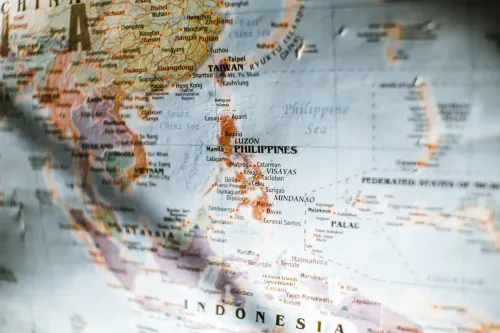
Philippines geography for Tagalog learners: 7,641 islands, three island groups, and the Southern Luzon heartland where the Tagalog language was born.