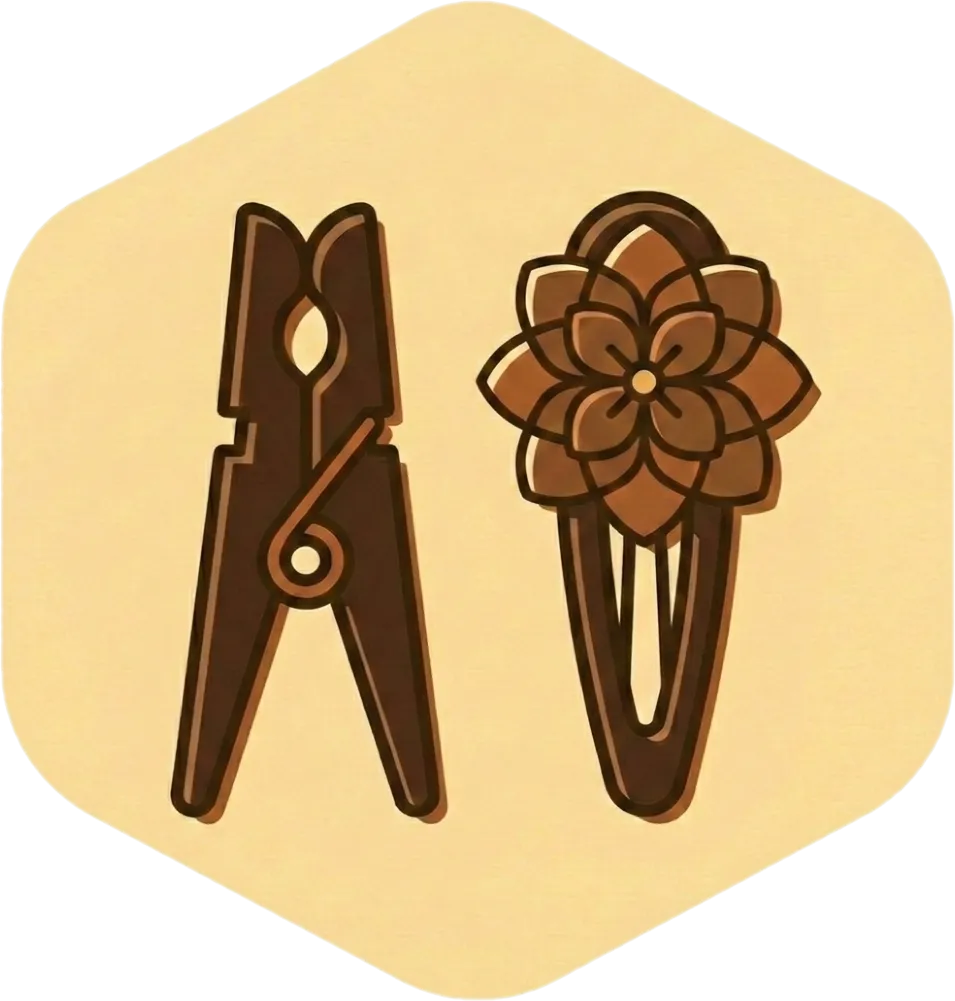
From root: sipit
Conjugations
Past (Completed)
sinipit
si-NI-pit
picked up or clipped with tongs
Present (Incomplete)
sinisipit
si-ni-SI-pit
picking up or clipping with tongs
Future (Contemplated)
sisipitin
si-si-pi-TIN
will pick up or clip with tongs
Usage Note
Sipitin is used when picking up items like food, ice, or laundry using tools like tongs, tweezers, or clothespins. It highlights the action of using a pincer-like tool to grip or secure an object.
Examples
" Sipitin mo ang yelo. "
Natural Translation
Pick up the ice with tongs.
Literal Translation
Pick-up-with-tongs you the ice.
" Kailangan mong sipitin ang buhok mo. "
Natural Translation
You need to pick up your hair with tongs.
Literal Translation
Need you pick-up-or-clip the hair your.
" Mas malinis kung sisipitin mo ang karne sa ihawan kaysa hawakan ito ng kamay mo. "
Natural Translation
It's more hygienic if you pick up the meat from the grill with tongs rather than hold it with your hand.
Literal Translation
More clean if will-pick-up-with-tongs you the meat at grill than hold it of hand your.
Take Tagalog with you
The full course, a 12,500-word dictionary, and flashcards that make every word stick — free to start on iOS and Android.




Tagalog builds thousands of words from a few hundred roots.
How Tagalog words workWord family
sipit has 6 related forms built from the same root.
Related Words
Explore Tagalog by topic
Free guides on grammar, vocabulary, and culture to take you past single-word lookups.

Na vs -ng in Tagalog: The Linker Rule Made Simple
When do you use na vs -ng in Tagalog? One simple rule, with clear examples, memory tips, and common mistakes explained for English-speaking beginners.
Tagalog Root Words: Learn a Few Hundred, Understand Thousands
Tagalog root words unlock vocabulary fast: learn a few hundred and recognize thousands. Real word families, examples, and a practical study strategy.

Tagalog Verb Conjugation: Aspects Made Simple
Tagalog verb conjugation uses aspects, not tenses. Learn the three aspects with -um- and mag- verbs, one reduplication rule, and clear example tables.
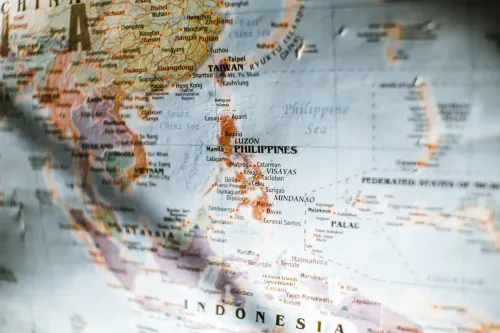
Philippines Geography for Learners: Islands & Language
Philippines geography for Tagalog learners: 7,641 islands, three island groups, and the Southern Luzon heartland where the Tagalog language was born.