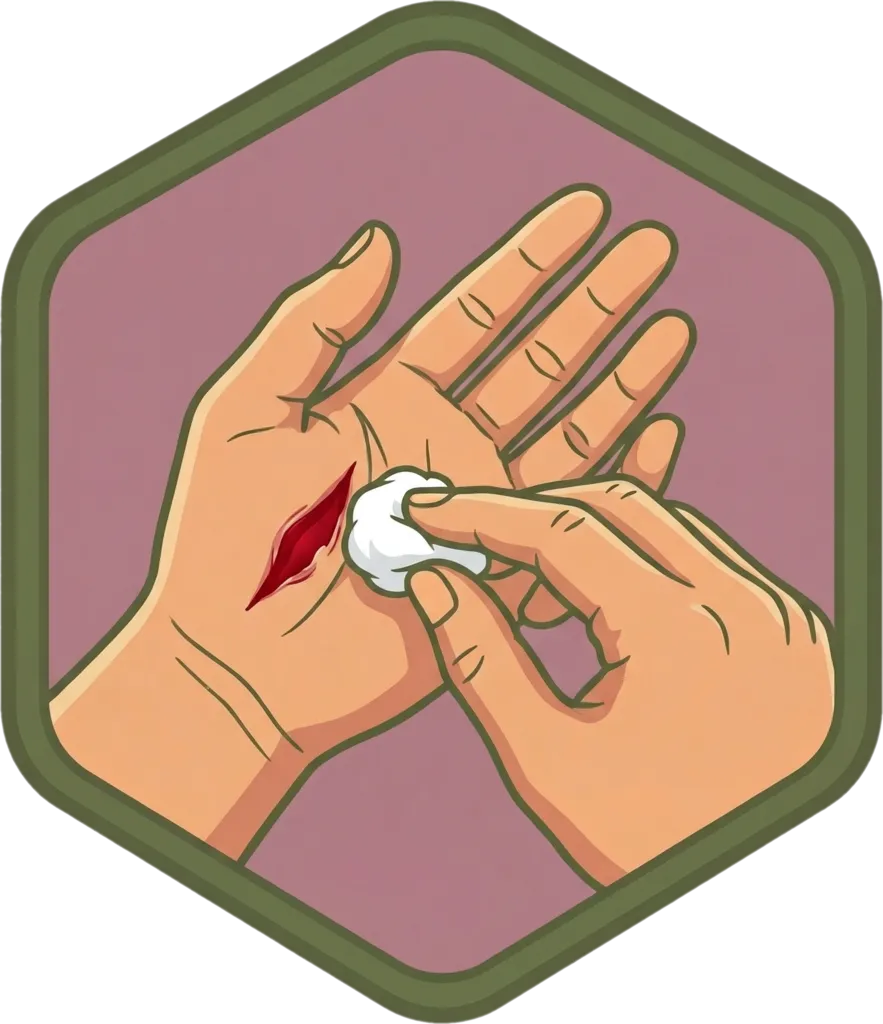
From root: sugat
Conjugations
Past (Completed)
nanugat
na-NU-gat
caused a wound
Present (Incomplete)
nanunugat
na-nu-NU-gat
causing a wound
Future (Contemplated)
manunugat
ma-nu-NU-gat
will cause a wound
Usage Note
Manugat is used to describe the act or potential of an object or person to inflict physical wounds, often emphasizing a characteristic or a recurring action. It is commonly applied to sharp objects or thorns that have the inherent tendency to cause injury.
Examples
" Mahilig manugat ang pusa. "
Natural Translation
The cat tends to cause wounds.
Literal Translation
Fond cause-wound the cat.
" Mahilig manugat ang pusa kapag galit. "
Natural Translation
The cat tends to cause wounds when angry.
Literal Translation
Fond cause-a-wound the cat when angry.
" Mag-ingat ka sa lumang bakod dahil mahilig manugat ang mga kalawanging pako na nakausli dito. "
Natural Translation
Be careful with the old fence because the rusty nails sticking out here tend to cause wounds.
Literal Translation
Careful you at old fence because fond cause-wound the plural rusty nail that protrude here.
Take Tagalog with you
The full course, a 12,500-word dictionary, and flashcards that make every word stick — free to start on iOS and Android.




Tagalog builds thousands of words from a few hundred roots.
How Tagalog words workWord family
sugat has 5 related forms built from the same root.
Related Words
Explore Tagalog by topic
Free guides on grammar, vocabulary, and culture to take you past single-word lookups.

Tagalog Verb Conjugation: Aspects Made Simple
Tagalog verb conjugation uses aspects, not tenses. Learn the three aspects with -um- and mag- verbs, one reduplication rule, and clear example tables.

How Long Does It Take to Learn Tagalog?
Survival Tagalog takes ~3-4 weeks and comfortable conversation 6-12 months. FSI's 1,100 hours is the professional bar, not the talking-to-family bar.

Spaced Repetition for Tagalog: How Flashcards Make Words Stick
Cramming Tagalog vocabulary fails. See how spaced repetition — the science behind smart flashcards — makes words stick for the long term.

Filipino Food: 12 Essential Dishes (With Tagalog Names)
Filipino food, from adobo to halo-halo: learn the Tagalog names, pronunciations, and ingredients behind 12 dishes you'll want to try on your first trip.