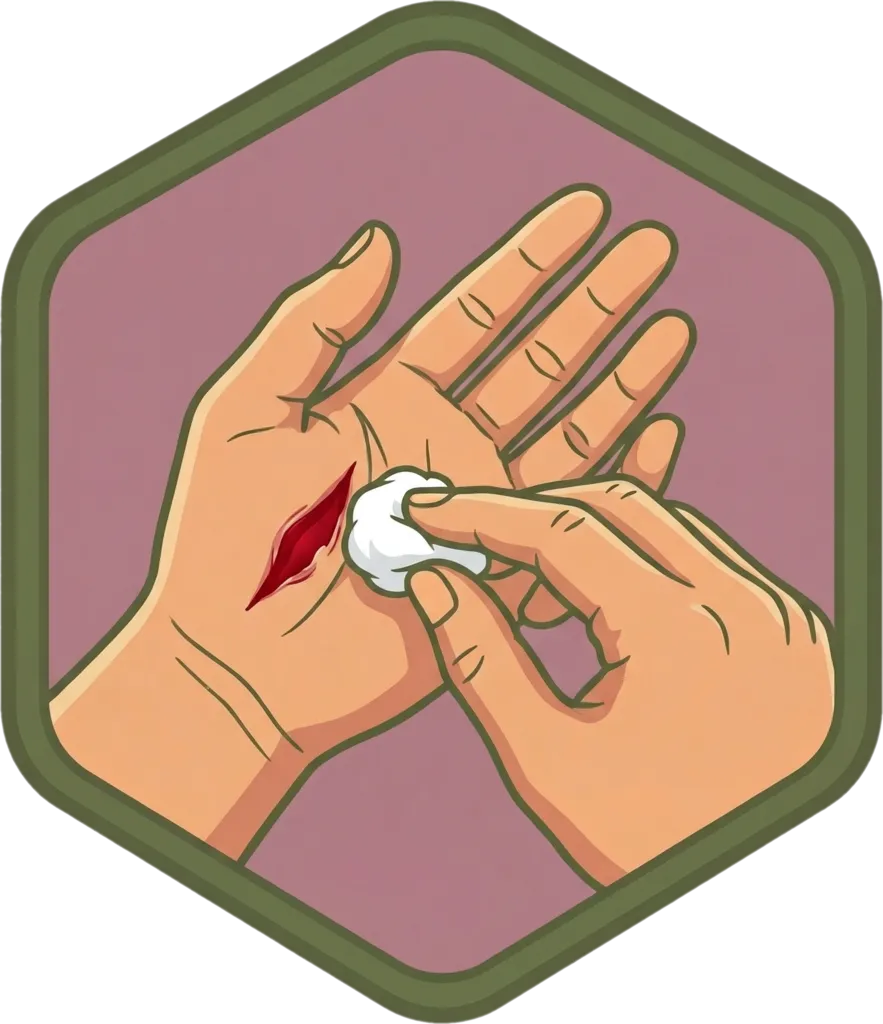
From root: sugat
Conjugations
Past (Completed)
nasugatan
na-su-GA-tan
got wounded
Present (Incomplete)
nasusugatan
na-su-su-GA-tan
getting wounded
Future (Contemplated)
masusugatan
ma-su-su-GA-tan
will get wounded
Usage Note
Masugatan is used when someone accidentally sustains a physical injury or wound, emphasizing the unintentional nature of the event. It is commonly heard in daily conversations when reporting accidents or warning someone to be careful.
Examples
" Mag-ingat ka para hindi ka masugatan. "
Natural Translation
Be careful so you don't get wounded.
Literal Translation
Be-careful you so not you get-wounded.
" Ayaw kong masugatan habang naglalaro. "
Natural Translation
I don't want to get wounded while playing.
Literal Translation
Dislike I get-wounded while playing.
" Natakot ang ina na baka masugatan ang anak sa basag na bote, kaya mabilis niya itong tinabi. "
Natural Translation
The mother was afraid her child might get wounded by the broken bottle, so she quickly set it aside.
Literal Translation
Afraid the mother that maybe get-wounded the child at broken of bottle, so quick she this set-aside.
Take Tagalog with you
The full course, a 12,500-word dictionary, and flashcards that make every word stick — free to start on iOS and Android.




Tagalog builds thousands of words from a few hundred roots.
How Tagalog words workWord family
sugat has 5 related forms built from the same root.
Related Words
Explore Tagalog by topic
Free guides on grammar, vocabulary, and culture to take you past single-word lookups.
How to Say "I Love You" in Tagalog: Phrases & Meaning
Learn how to say I love you in Tagalog. Mahal kita, Iniibig kita, and Filipino terms of endearment for partners, family, and friends — with cultural notes.
May vs Mayroon vs Meron: Have & There Is
May vs mayroon in Tagalog finally made simple: one rule decides which to use, plus how meron and wala fit the same have and there-is family.

Tagalog Greetings: How to Say Hello, Goodbye & Po/Opo
Master Tagalog greetings with pronunciation: kumusta, magandang umaga, po and opo polite forms, time-of-day phrases, and the mano po tradition.
Philippine Christmas Traditions: World's Longest Holiday
Philippine Christmas traditions run four months — from Ber-month carols to Simbang Gabi dawn masses, Noche Buena feasts, and parol lanterns lighting every street.