tsubasko
tsubásko with stress marks
squall; sudden wind and rain
Usage Note
Tsubasko likely derives from Spanish chubascos and describes a sudden, intense burst of wind and rain common in the Philippine archipelago. It is distinct from a full typhoon and is especially familiar to fishermen and sailors who must watch for it at sea.
Examples
" Dumating ang tsubasko. "
Natural Translation
The squall arrived.
Literal Translation
Arrived the squall.
" Nasira ang bangka dahil sa tsubasko. "
Natural Translation
The boat was destroyed because of the squall.
Literal Translation
Destroyed the boat because of squall.
" Bumalik agad sa pampang ang mga mangingisda nang maramdaman nilang paparating na ang malakas na tsubasko. "
Natural Translation
The fishermen returned to shore at once when they sensed that a strong squall was coming.
Literal Translation
Returned immediately to shore the fishermen when felt they coming already the strong squall.
Take Tagalog with you
The full course, a 12,500-word dictionary, and flashcards that make every word stick — free to start on iOS and Android.




Tagalog builds thousands of words from a few hundred roots.
How Tagalog words workRelated Words
Explore Tagalog by topic
Free guides on grammar, vocabulary, and culture to take you past single-word lookups.

Seasons in the Philippines: A Tagalog Guide
The Philippines has two seasons, not four. Learn tag-araw, tag-ulan, and taglamig, the generative tag- prefix, and the weather vocabulary to match.

Tagalog Verb Conjugation: Aspects Made Simple
Tagalog verb conjugation uses aspects, not tenses. Learn the three aspects with -um- and mag- verbs, one reduplication rule, and clear example tables.
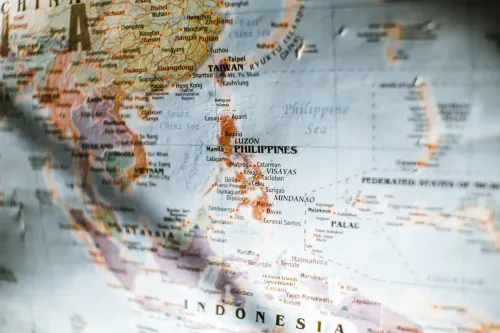
Philippines Geography for Learners: Islands & Language
Philippines geography for Tagalog learners: 7,641 islands, three island groups, and the Southern Luzon heartland where the Tagalog language was born.

Languages of the Philippines: Tagalog, Cebuano, and More
Languages of the Philippines: one national language (Filipino) plus 180+ regional languages. Here's who speaks what, where, and why it matters to you.