From root: unti
Conjugations
Past (Completed)
inunti-unti
i-nun-ti-un-TI
did bit by bit
Present (Incomplete)
inuunti-unti
i-nu-un-ti-un-TI
doing bit by bit
Future (Contemplated)
uunti-untiin
u-un-ti-un-ti-IN
will do bit by bit
Usage Note
Unti-untiin is used when advising someone to approach a task or consumption gradually to ensure quality or avoid being overwhelmed. It focuses on the object being acted upon, emphasizing the deliberate, incremental nature of the process.
Examples
" Unti-untiin mo ang pagkain. "
Natural Translation
Eat the food bit by bit.
Literal Translation
Do-bit-by-bit you the eating.
" Kailangan mong unti-untiin ang pagtakbo. "
Natural Translation
You need to do the running bit by bit.
Literal Translation
Need you do-bit-by-bit the running.
" Para hindi ka mabigla, unti-untiin mo ang pagbabayad ng utang sa halip na ubusin ang ipon sa isang upuan. "
Natural Translation
So you won't be overwhelmed, pay off the debt bit by bit instead of draining your savings in one sitting.
Literal Translation
So not you overwhelmed, do-bit-by-bit you the paying of debt instead that finish the savings in one sitting.
Take Tagalog with you
The full course, a 12,500-word dictionary, and flashcards that make every word stick — free to start on iOS and Android.




Tagalog builds thousands of words from a few hundred roots.
How Tagalog words workWord family
unti has 7 related forms built from the same root.
Related Words
Explore Tagalog by topic
Free guides on grammar, vocabulary, and culture to take you past single-word lookups.

Is Tagalog Hard to Learn? An Honest Answer
Tagalog takes around 1,100 hours to reach professional proficiency. Here is what is easy, what is hard, and what to expect at 3, 6, and 12 months.

How Long Does It Take to Learn Tagalog?
Survival Tagalog takes ~3-4 weeks and comfortable conversation 6-12 months. FSI's 1,100 hours is the professional bar, not the talking-to-family bar.

How to Say Sorry in Tagalog: Patawad vs Pasensya
How to say sorry in Tagalog: patawad, pasensya na, and paumanhin compared on a simple severity-and-formality ladder so you pick the right word every time.
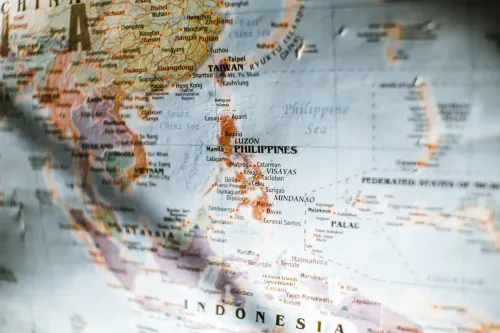
Philippines Geography for Learners: Islands & Language
Philippines geography for Tagalog learners: 7,641 islands, three island groups, and the Southern Luzon heartland where the Tagalog language was born.