From root: upa
Usage Note
Mang-uupa is the formal term for a person who pays rent to a landlord. It is often used in legal documents and formal rental agreements.
Examples
" Bayad na ang mang-uupa. "
Natural Translation
The tenant has already paid.
Literal Translation
Paid already the tenant.
" Darating na ang bagong mang-uupa. "
Natural Translation
The new tenant is arriving.
Literal Translation
Arriving now the new tenant.
" Ayon sa kasunduan, dapat ibalik ng mang-uupa ang yunit sa parehong kondisyon nang umalis siya. "
Natural Translation
According to the agreement, the tenant must return the unit in the same condition when they move out.
Literal Translation
According-to the agreement, should return by-the tenant the unit in same condition when leave he.
Take Tagalog with you
The full course, a 12,500-word dictionary, and flashcards that make every word stick — free to start on iOS and Android.




Tagalog builds thousands of words from a few hundred roots.
How Tagalog words workWord family
upa has 7 related forms built from the same root.
Related Words
Explore Tagalog by topic
Free guides on grammar, vocabulary, and culture to take you past single-word lookups.

Tagalog Time Expressions: Past, Present & Future Guide
Tagalog has no tenses — it uses aspect. Learn time words, days of the week, clock time, and the aspect system, with vocabulary tables and cultural notes.

Na vs -ng in Tagalog: The Linker Rule Made Simple
When do you use na vs -ng in Tagalog? One simple rule, with clear examples, memory tips, and common mistakes explained for English-speaking beginners.
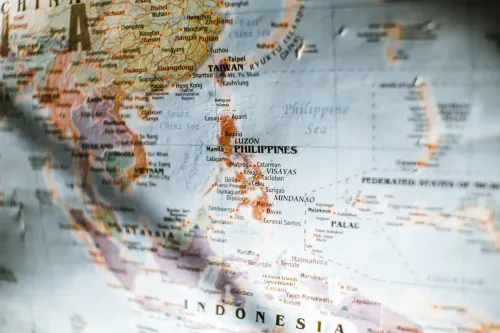
Philippines Geography for Learners: Islands & Language
Philippines geography for Tagalog learners: 7,641 islands, three island groups, and the Southern Luzon heartland where the Tagalog language was born.

Magkano: How to Ask "How Much" in Tagalog
Magkano means how much in Tagalog. Learn to ask a price, tell it apart from ilan and gaano, sound polite with po, and haggle at the palengke.