From root: aga
Conjugations
Past (Completed)
ipinaaga
i-pi-na-A-ga
had something done earlier
Present (Incomplete)
ipinapaaga
i-pi-na-pa-A-ga
having something done earlier
Future (Contemplated)
ipapaaga
i-pa-pa-A-ga
will have something done earlier
Usage Note
Ipaaga is used when requesting that an event, deadline, or appointment be scheduled earlier than originally planned. It often appears in professional or administrative contexts when coordinating time-sensitive tasks or arrangements.
Examples
" Ipaaga mo ang pulong. "
Natural Translation
Have the meeting moved earlier.
Literal Translation
Have-made-earlier you the meeting.
" Gusto kong ipaaga ang meeting. "
Natural Translation
I want to have the meeting done earlier.
Literal Translation
Want I have-made-earlier the meeting.
" Dahil may biyahe ako sa hapon, gusto kong ipaaga ang deadline ng ulat sa umaga. "
Natural Translation
Since I have a trip in the afternoon, I want to have the report deadline moved earlier to the morning.
Literal Translation
Because have trip I in afternoon, want I have-made-earlier the deadline of report in morning.
Take Tagalog with you
The full course, a 12,500-word dictionary, and flashcards that make every word stick — free to start on iOS and Android.




Tagalog builds thousands of words from a few hundred roots.
How Tagalog words workWord family
aga has 5 related forms built from the same root.
Related Words
Explore Tagalog by topic
Free guides on grammar, vocabulary, and culture to take you past single-word lookups.

Tagalog Verb Conjugation: Aspects Made Simple
Tagalog verb conjugation uses aspects, not tenses. Learn the three aspects with -um- and mag- verbs, one reduplication rule, and clear example tables.

Ang, Ng, Sa: The 3 Tagalog Case Markers Explained
Ang, ng, sa are the three Tagalog case markers every noun takes. Learn what each does, the personal forms si/ni/kay, plurals with mga, and clear examples.

Tagalog Affixes Explained: A Beginner's Guide to Word Building
Tagalog affixes turn one root word into dozens of meanings. Learn prefixes, infixes, suffixes, and circumfixes with clear examples for beginners.
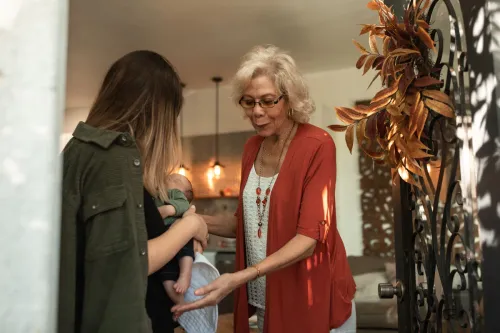
Mano Po and Filipino Etiquette: A Visitor's Guide
Mano po presses an elder's hand to your forehead as a blessing. Learn who to mano, how to lip-point, and the etiquette that wins over a Filipino family.