From root: baga
Conjugations
Past (Completed)
nagbaga
nag-ba-GA
turned into embers
Present (Incomplete)
nagbabaga
nag-ba-ba-GA
turning into embers
Future (Contemplated)
magbabaga
mag-ba-ba-GA
will turn into embers
Usage Note
Magbaga is used when describing charcoal or wood reaching a state of glowing heat, typically in preparation for grilling or traditional cooking. It implies the transition from active flames to steady embers.
Examples
" Magbaga muna ang uling. "
Natural Translation
Let the charcoal turn into embers first.
Literal Translation
To-turn-into-embers first the charcoal.
" Hayaan mong magbagá ang uling para sa ihaw. "
Natural Translation
Let the charcoal turn into embers for grilling.
Literal Translation
Let you to-turn-into-embers the charcoal for the grill.
" Habang hinihintay naming magbaga ang uling, naghanda na kami ng mga ihahaw na isda. "
Natural Translation
While we waited for the charcoal to turn into embers, we already prepared the fish to be grilled.
Literal Translation
While being-waited by-us to-turn-into-embers the charcoal, prepared already we of the will-be-grilled fish.
Take Tagalog with you
The full course, a 12,500-word dictionary, and flashcards that make every word stick — free to start on iOS and Android.




Tagalog builds thousands of words from a few hundred roots.
How Tagalog words workWord family
baga has 8 related forms built from the same root.
Related Words
Explore Tagalog by topic
Free guides on grammar, vocabulary, and culture to take you past single-word lookups.
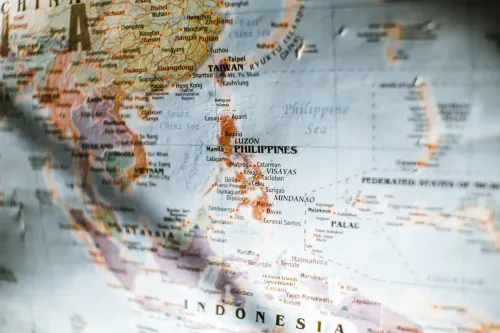
Philippines Geography for Learners: Islands & Language
Philippines geography for Tagalog learners: 7,641 islands, three island groups, and the Southern Luzon heartland where the Tagalog language was born.
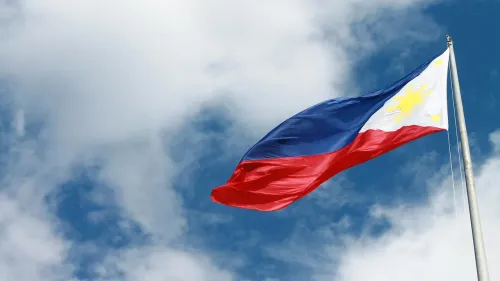
Tagalog vs Filipino: What's the Difference & Which to Learn
Tagalog and Filipino aren't the same language — but they overlap almost completely. Here's the real difference and which one you should actually learn.

Tagalog Time Expressions: Past, Present & Future Guide
Tagalog has no tenses — it uses aspect. Learn time words, days of the week, clock time, and the aspect system, with vocabulary tables and cultural notes.

Ang, Ng, Sa: The 3 Tagalog Case Markers Explained
Ang, ng, sa are the three Tagalog case markers every noun takes. Learn what each does, the personal forms si/ni/kay, plurals with mga, and clear examples.