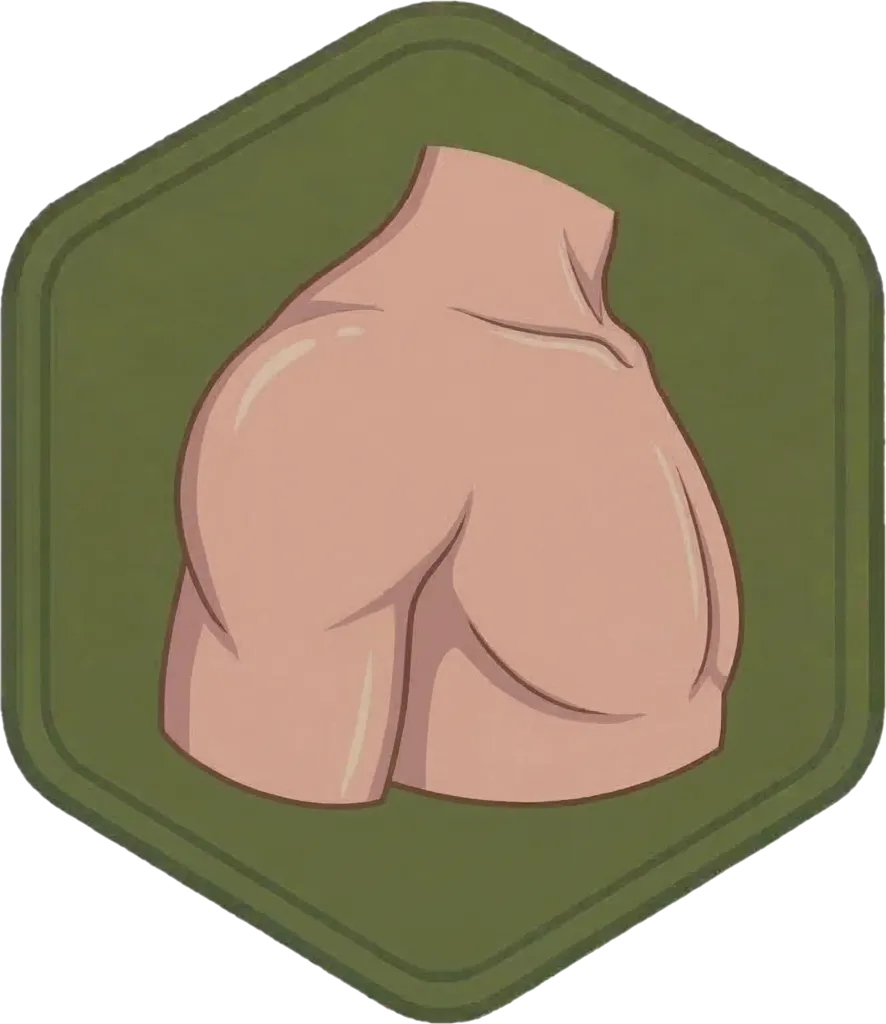
From root: balikat
Conjugations
Past (Completed)
nagbalikat
nag-ba-LI-kat
shouldered
Present (Incomplete)
nagbabalikat
nag-ba-ba-LI-kat
is shouldering
Future (Contemplated)
magbabalikat
mag-ba-ba-LI-kat
will shoulder
Usage Note
Magbalikat is used when taking on a responsibility or a collective task, often in a formal or metaphorical context. It highlights the act of assuming a burden for the benefit of a group or a specific cause.
Examples
" Handa akong magbalikat nito. "
Natural Translation
I am ready to shoulder this.
Literal Translation
Ready I to-shoulder this.
" Handa siyang magbalikat ng responsibilidad. "
Natural Translation
He/She is ready to shoulder the responsibility.
Literal Translation
Ready he/she shoulder of responsibility.
" Bilang panganay, napilitan siyang magbalikat ng mga gastusin ng buong pamilya matapos magkasakit ang kanilang ama. "
Natural Translation
As the eldest, she was forced to shoulder the whole family's expenses after their father fell ill.
Literal Translation
As eldest, forced she to-shoulder of the expenses of whole family after to-get-sick the their father.
Take Tagalog with you
The full course, a 12,500-word dictionary, and flashcards that make every word stick — free to start on iOS and Android.




Tagalog builds thousands of words from a few hundred roots.
How Tagalog words workWord family
balikat has 5 related forms built from the same root.
Related Words
Explore Tagalog by topic
Free guides on grammar, vocabulary, and culture to take you past single-word lookups.

How to Say "I Love You" in Tagalog: Phrases & Meaning
Learn how to say I love you in Tagalog. Mahal kita, Iniibig kita, and Filipino terms of endearment for partners, family, and friends — with cultural notes.

Tagalog Time Expressions: Past, Present & Future Guide
Tagalog has no tenses — it uses aspect. Learn time words, days of the week, clock time, and the aspect system, with vocabulary tables and cultural notes.

Tagalog Pronouns Explained: Complete Chart with Examples
Every Tagalog pronoun explained with clear charts: ang/ng/sa forms, tayo vs kami, ikaw vs ka, politeness markers, and the mistakes beginners make.

Tagalog Verb Conjugation: Aspects Made Simple
Tagalog verb conjugation uses aspects, not tenses. Learn the three aspects with -um- and mag- verbs, one reduplication rule, and clear example tables.