magdambong
magdambóng with stress marks
to plunder
From root: dambong
Conjugations
Past (Completed)
nagdambong
nag-dam-BONG
plundered
Present (Incomplete)
nagdadambong
nag-da-dam-BONG
is plundering
Future (Contemplated)
magdadambong
mag-da-dam-BONG
will plunder
Usage Note
Magdambong is the actor-focus form of dambong, used in historical accounts of war and lawlessness for large-scale looting or plundering. Figuratively it is a strong accusation in political language, particularly in the phrase about plundering the public treasury.
Examples
" Ayaw nilang magdambong. "
Natural Translation
They do not want to plunder.
Literal Translation
Dislike they to plunder.
" Masama ang magdambong sa kaban ng bayan. "
Natural Translation
Plundering the nation's coffers is bad.
Literal Translation
Bad the to plunder from chest of nation.
" Pinaratangan ang mga opisyal na nagdambong sila ng pondo habang naghihirap ang mga tao sa lalawigan. "
Natural Translation
The officials were accused of plundering funds while the people in the province were suffering.
Literal Translation
Accused the officials that plundered they of funds while suffering the people in province.
Take Tagalog with you
The full course, a 12,500-word dictionary, and flashcards that make every word stick — free to start on iOS and Android.




Tagalog builds thousands of words from a few hundred roots.
How Tagalog words workWord family
dambong has 2 related forms built from the same root.
Related Words
Explore Tagalog by topic
Free guides on grammar, vocabulary, and culture to take you past single-word lookups.
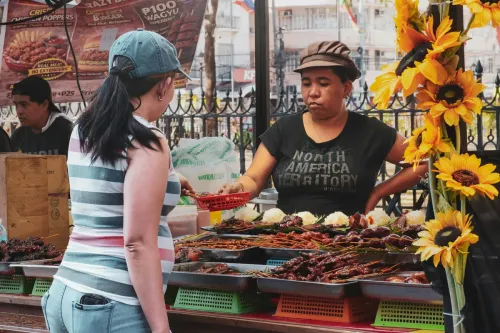
May vs Mayroon vs Meron: Have & There Is
May vs mayroon in Tagalog finally made simple: one rule decides which to use, plus how meron and wala fit the same have and there-is family.

Languages of the Philippines: Tagalog, Cebuano, and More
Languages of the Philippines: one national language (Filipino) plus 180+ regional languages. Here's who speaks what, where, and why it matters to you.
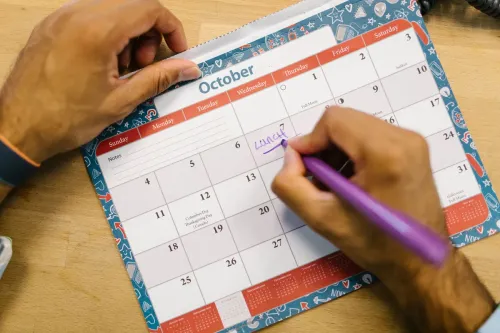
Days of the Week and Months in Tagalog
The days of the week and months in Tagalog are Spanish loanwords. Learn all 7 days and 12 months with pronunciation, plus how to say dates and 'every Monday.'

Tagalog Pronouns Explained: Complete Chart with Examples
Every Tagalog pronoun explained with clear charts: ang/ng/sa forms, tayo vs kami, ikaw vs ka, politeness markers, and the mistakes beginners make.