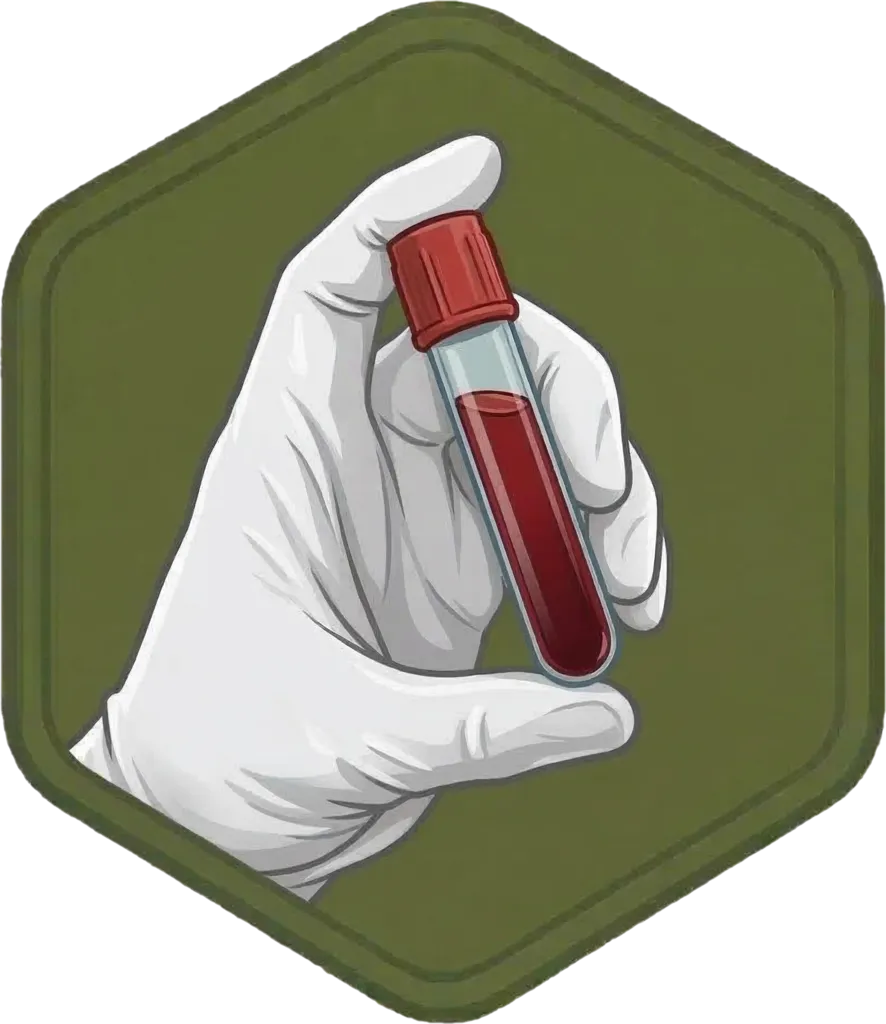
From root: dugo
Conjugations
Past (Completed)
dumugo
du-MU-go
bled
Present (Incomplete)
dumudugo
du-mu-DU-go
bleeding
Future (Contemplated)
dudugo
du-DU-go
will bleed
Usage Note
Dumugo is used to describe the physical act of bleeding from a wound or part of the body. It is typically used in medical or accidental contexts to indicate that blood is flowing or has started to flow.
Examples
" Dumugo ang ilong niya. "
Natural Translation
His nose bled.
Literal Translation
Bled the nose his.
" Maaaring dumugo ang iyong ilong sa init. "
Natural Translation
Your nose might bleed because of the heat.
Literal Translation
Might bleed the your nose in heat.
" Nang matamaan ang kanyang tuhod sa bato, dumugo ito nang kaunti kaya kinailangan naming linisin agad ang sugat. "
Natural Translation
When his knee hit the rock, it bled a little, so we had to clean the wound right away.
Literal Translation
When got-hit the his knee on rock, bled it a-little so needed we clean immediately the wound.
Take Tagalog with you
The full course, a 12,500-word dictionary, and flashcards that make every word stick — free to start on iOS and Android.




Tagalog builds thousands of words from a few hundred roots.
How Tagalog words workWord family
dugo has 9 related forms built from the same root.
Related Words
Explore Tagalog by topic
Free guides on grammar, vocabulary, and culture to take you past single-word lookups.

Spaced Repetition for Tagalog: How Flashcards Make Words Stick
Cramming Tagalog vocabulary fails. See how spaced repetition — the science behind smart flashcards — makes words stick for the long term.

Tagalog Greetings: How to Say Hello, Goodbye & Po/Opo
Master Tagalog greetings with pronunciation: kumusta, magandang umaga, po and opo polite forms, time-of-day phrases, and the mano po tradition.
Days of the Week and Months in Tagalog
The days of the week and months in Tagalog are Spanish loanwords. Learn all 7 days and 12 months with pronunciation, plus how to say dates and 'every Monday.'

Tagalog Numbers 1-100: Counting, Time & Money Explained
Learn Tagalog numbers 1-100 and beyond. Master both native and Spanish-derived counting systems, plus telling time, reading prices, and ordinals.