gayak
gayák with stress marks
adornment; attire; ready
Usage Note
Gayak encompasses the idea of dressing up, adorning, or preparing oneself or a space. As a noun it refers to decorations or attire; as an adjective it means 'ready' or 'prepared'. 'Nagagayak na ba?' means 'Are you ready/dressed yet?' and is heard in households before going out for a formal occasion.
Examples
" Maganda ang gayak ngayon. "
Natural Translation
The decorations are beautiful today.
Literal Translation
Beautiful the adornment now.
" Maganda ang gayak ng bulwagan para sa kasalan. "
Natural Translation
The hall is beautifully decorated for the wedding.
Literal Translation
Beautiful the adornment of-the hall for the wedding.
" Buong magdamag silang nag-ayos ng gayak sa plasa upang maging makulay ang pagdiriwang ng kapistahan bukas. "
Natural Translation
They arranged the decorations in the plaza all night so the celebration of the fiesta tomorrow would be colorful.
Literal Translation
Whole overnight they arranged of adornment in-the plaza so-that become colorful the celebration of fiesta tomorrow.
Take Tagalog with you
The full course, a 12,500-word dictionary, and flashcards that make every word stick — free to start on iOS and Android.




Tagalog builds thousands of words from a few hundred roots.
How Tagalog words workRelated Words
Explore Tagalog by topic
Free guides on grammar, vocabulary, and culture to take you past single-word lookups.
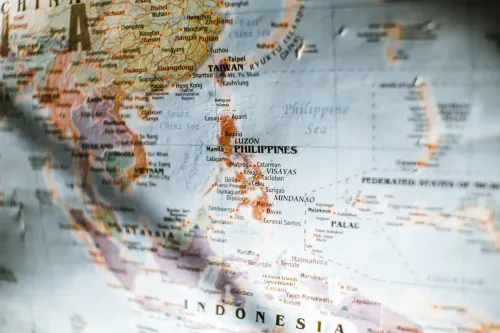
Philippines Geography for Learners: Islands & Language
Philippines geography for Tagalog learners: 7,641 islands, three island groups, and the Southern Luzon heartland where the Tagalog language was born.

Philippine Christmas Traditions: World's Longest Holiday
Philippine Christmas traditions run four months — from Ber-month carols to Simbang Gabi dawn masses, Noche Buena feasts, and parol lanterns lighting every street.

Languages of the Philippines: Tagalog, Cebuano, and More
Languages of the Philippines: one national language (Filipino) plus 180+ regional languages. Here's who speaks what, where, and why it matters to you.

Tagalog Greetings: How to Say Hello, Goodbye & Po/Opo
Master Tagalog greetings with pronunciation: kumusta, magandang umaga, po and opo polite forms, time-of-day phrases, and the mano po tradition.