From root: halik
Conjugations
Past (Completed)
humalik
hu-ma-LIK
kissed
Present (Incomplete)
humahalik
hu-ma-ha-LIK
is kissing
Future (Contemplated)
hahalik
ha-ha-LIK
will kiss
Usage Note
Humalik is used to describe the act of giving a kiss, ranging from romantic gestures to formal signs of respect such as kissing the hand of an elder. While understood, speakers often prefer the object-focus form 'hinalikan' when specifying who was kissed.
Examples
" Humalik ako sa bata. "
Natural Translation
I kissed the child.
Literal Translation
Kissed I on child.
" Humalik siya sa pisngi ni lola. "
Natural Translation
He kissed grandma on the cheek.
Literal Translation
Kissed he/she on cheek of grandmother.
" Pagdating sa reunion, humalik muna ang mga apo sa kamay ng lolo bago sila kumain. "
Natural Translation
At the reunion, the grandchildren first kissed grandpa's hand before they ate.
Literal Translation
Upon-arriving at reunion, kissed first the grandchildren on hand of grandfather before they ate.
Take Tagalog with you
The full course, a 12,500-word dictionary, and flashcards that make every word stick — free to start on iOS and Android.




Tagalog builds thousands of words from a few hundred roots.
How Tagalog words workWord family
halik has 8 related forms built from the same root.
Related Words
Explore Tagalog by topic
Free guides on grammar, vocabulary, and culture to take you past single-word lookups.

Tagalog Verb Focus System Explained (It's Not Active vs. Passive)
The Tagalog verb focus system isn't active vs. passive. Learn actor focus, object focus, and more with clear examples that finally make it click.

Tagalog vs Filipino: What's the Difference & Which to Learn
Tagalog and Filipino aren't the same language — but they overlap almost completely. Here's the real difference and which one you should actually learn.

How Long Does It Take to Learn Tagalog?
Survival Tagalog takes ~3-4 weeks and comfortable conversation 6-12 months. FSI's 1,100 hours is the professional bar, not the talking-to-family bar.
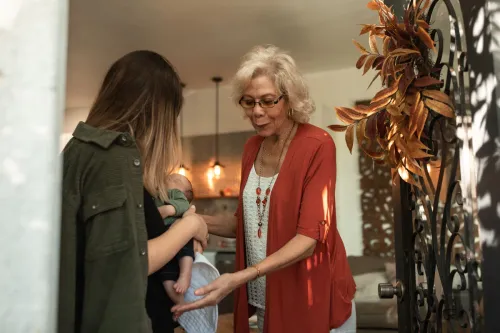
Mano Po and Filipino Etiquette: A Visitor's Guide
Mano po presses an elder's hand to your forehead as a blessing. Learn who to mano, how to lip-point, and the etiquette that wins over a Filipino family.