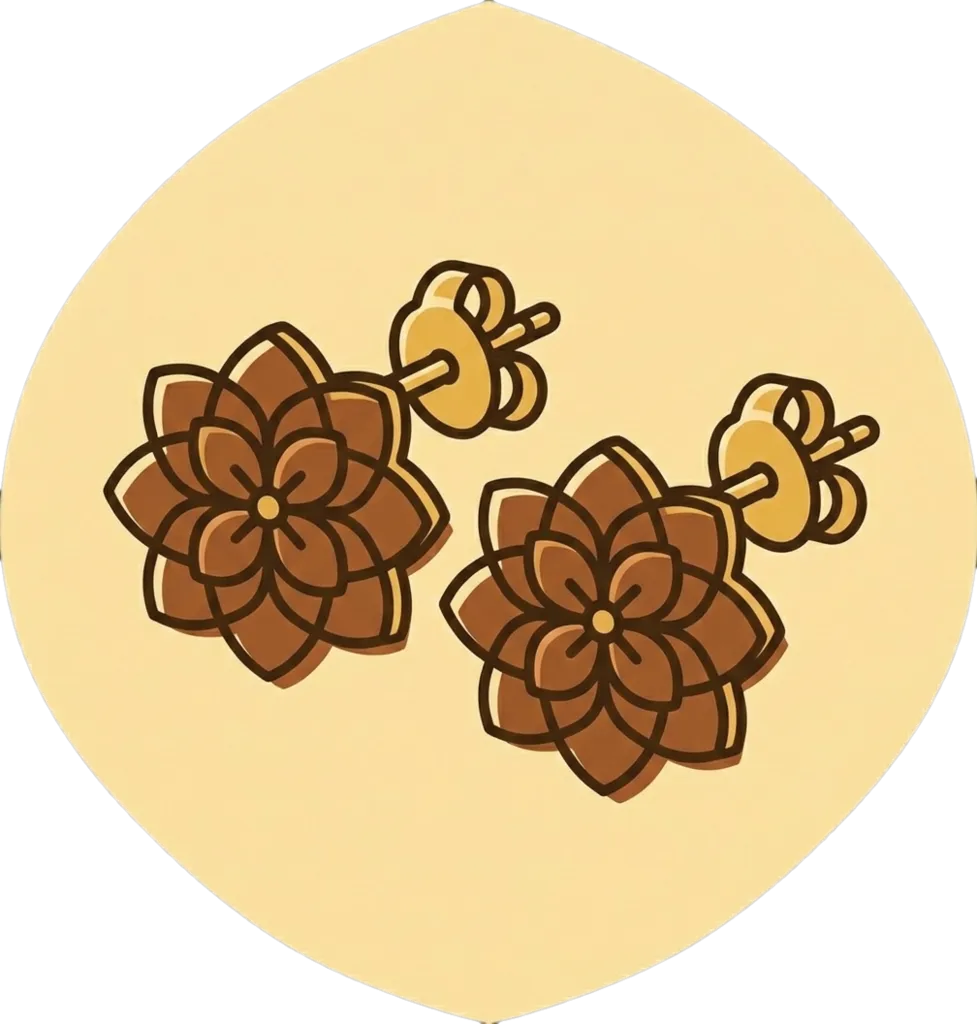
From root: hikaw
Conjugations
Past (Completed)
nag-hikaw
nag-HI-kaw
wore earrings
Present (Incomplete)
naghihikaw
nag-hi-HI-kaw
is wearing earrings
Future (Contemplated)
maghihikaw
mag-hi-HI-kaw
will wear earrings
Usage Note
Mag-hikaw is used when someone is putting on earrings or habitually wearing them as a fashion accessory. It is commonly heard in daily conversations about grooming or getting ready for an event.
Examples
" Mag-hikaw ka muna. "
Natural Translation
Put on earrings first.
Literal Translation
Wear-earrings you first.
" Ayaw niyang mag-hikaw ngayon. "
Natural Translation
She doesn't want to wear earrings now.
Literal Translation
Dislike she wear-earrings now.
" Lagi siyang naghihikaw ng ginto tuwing may mahalagang okasyon sa kanilang pamilya. "
Natural Translation
She always wears gold earrings whenever there is an important occasion in their family.
Literal Translation
Always she wearing-earrings of gold every there-is important occasion in their family.
Take Tagalog with you
The full course, a 12,500-word dictionary, and flashcards that make every word stick — free to start on iOS and Android.




Tagalog builds thousands of words from a few hundred roots.
How Tagalog words workWord family
hikaw has 5 related forms built from the same root.
Related Words
Explore Tagalog by topic
Free guides on grammar, vocabulary, and culture to take you past single-word lookups.

Tagalog Time Expressions: Past, Present & Future Guide
Tagalog has no tenses — it uses aspect. Learn time words, days of the week, clock time, and the aspect system, with vocabulary tables and cultural notes.

Mano Po and Filipino Etiquette: A Visitor's Guide
Mano po presses an elder's hand to your forehead as a blessing. Learn who to mano, how to lip-point, and the etiquette that wins over a Filipino family.

How Long Does It Take to Learn Tagalog?
Survival Tagalog takes ~3-4 weeks and comfortable conversation 6-12 months. FSI's 1,100 hours is the professional bar, not the talking-to-family bar.

May vs Mayroon vs Meron: Have & There Is
May vs mayroon in Tagalog finally made simple: one rule decides which to use, plus how meron and wala fit the same have and there-is family.