indikasyon
indikasyón with stress marks
indication
Usage Note
Indikasyon comes from Spanish indicación and is used in medical, scientific, and general formal contexts to mean a sign or signal pointing to something. In medicine it specifically refers to the conditions or symptoms for which a treatment is appropriate.
Examples
" Walang indikasyon ng sakit. "
Natural Translation
There is no indication of illness.
Literal Translation
None indication of illness.
" Ang lagnat ay isang indikasyon ng impeksyon. "
Natural Translation
Fever is an indication of infection.
Literal Translation
The fever is an indication of infection.
" Ayon sa doktor, ang patuloy na pananakit ng ulo ay maaaring isang indikasyon ng mas malalang kondisyon na dapat suriin agad. "
Natural Translation
According to the doctor, the persistent headache may be an indication of a more serious condition that should be examined immediately.
Literal Translation
According to-the doctor, the continuous aching of head is maybe an indication of more serious condition that should examine immediately.
Take Tagalog with you
The full course, a 12,500-word dictionary, and flashcards that make every word stick — free to start on iOS and Android.




Tagalog builds thousands of words from a few hundred roots.
How Tagalog words workRelated Words
Explore Tagalog by topic
Free guides on grammar, vocabulary, and culture to take you past single-word lookups.

Tagalog Slang Guide: 20 Words You'll Hear on TikTok
Tagalog slang explained: lodi, petmalu, werpa, astig, chika and more. Decode Filipino TikTok comments, group chats, and pop culture with this practical guide.
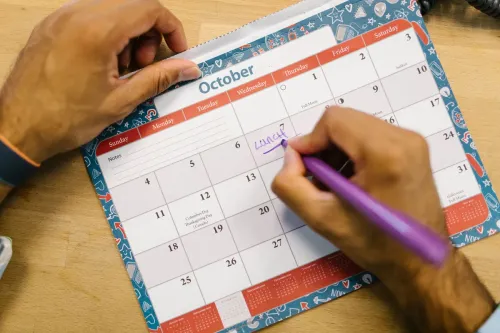
Days of the Week and Months in Tagalog
The days of the week and months in Tagalog are Spanish loanwords. Learn all 7 days and 12 months with pronunciation, plus how to say dates and 'every Monday.'

Filipino Family Words and Honorifics: Ate, Kuya & Tita
Filipino family words like ate, kuya, tita, tito, lolo, and lola go far beyond family — learn how Filipinos use them with strangers, plus mano po etiquette.

Magkano: How to Ask "How Much" in Tagalog
Magkano means how much in Tagalog. Learn to ask a price, tell it apart from ilan and gaano, sound polite with po, and haggle at the palengke.