Usage Note
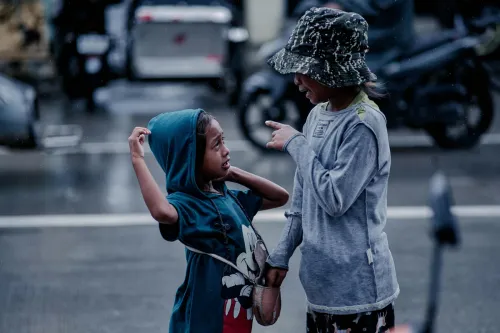
Inip describes both boredom from lack of stimulation and the restlessness of waiting too long for something. It is commonly used in everyday speech, especially by children or in situations involving long queues, traffic, or waiting. 'Na-iinip na ako' (I'm getting bored/impatient) is a very common expression.
Examples
" Inip na inip na ako. "
Natural Translation
I'm so bored already.
Literal Translation
Bored very already I.
" Kita ang inip sa mukha niya. "
Natural Translation
The impatience is visible on his/her face.
Literal Translation
Visible the bored at-the face his/her.
" Naiinip na ang mga bata sa mahabang biyahe, kaya naglaro sila ng kanta para makalipas ang oras. "
Natural Translation
The children were getting bored on the long trip, so they played singing games to pass the time.
Literal Translation
Getting-bored already the children in long trip, so played they of song to pass the time.
Take Tagalog with you
The full course, a 12,500-word dictionary, and flashcards that make every word stick — free to start on iOS and Android.




Tagalog builds thousands of words from a few hundred roots.
How Tagalog words workRelated Words
Explore Tagalog by topic
Free guides on grammar, vocabulary, and culture to take you past single-word lookups.

How to Say "I Love You" in Tagalog: Phrases & Meaning
Learn how to say I love you in Tagalog. Mahal kita, Iniibig kita, and Filipino terms of endearment for partners, family, and friends — with cultural notes.

Tagalog Greetings: How to Say Hello, Goodbye & Po/Opo
Master Tagalog greetings with pronunciation: kumusta, magandang umaga, po and opo polite forms, time-of-day phrases, and the mano po tradition.
How to Say Sorry in Tagalog: Patawad vs Pasensya
How to say sorry in Tagalog: patawad, pasensya na, and paumanhin compared on a simple severity-and-formality ladder so you pick the right word every time.

Ng vs Nang in Tagalog: The Spelling Rule
Ng vs nang sound identical but spell differently. Use ng to mark nouns (of, the object), and nang for how, when, repetition, and counting time.