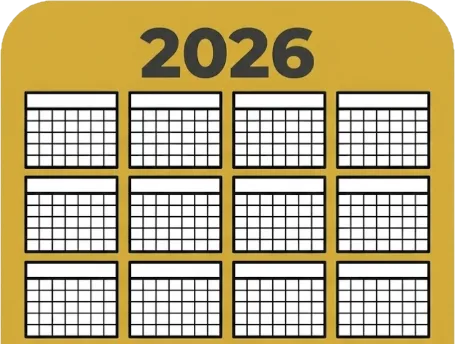
From root: kalendaryo
Conjugations
Past (Completed)
ikinalendaryo
i-ki-na-len-DAR-yo
scheduled
Present (Incomplete)
ikinakalendaryo
i-ki-na-ka-len-DAR-yo
is scheduling
Future (Contemplated)
ikakalendaryo
i-ka-ka-len-DAR-yo
will schedule
Usage Note
Ikalendaryo is used when referring to the act of officially setting a date or recording an event in a calendar. It is less common in casual conversation than the Taglish alternative 'i-schedule' and is typically used in formal or professional settings.
Examples
" Ikalendaryo mo ang pulong. "
Natural Translation
Schedule the meeting.
Literal Translation
Schedule you the meeting.
" Kailangan mong ikalendaryo ang meeting bukas. "
Natural Translation
You need to schedule the meeting for tomorrow.
Literal Translation
Need you schedule the meeting tomorrow.
" Bago matapos ang araw, ikalendaryo mo ang lahat ng pagpupulong para hindi tayo magkamali sa mga petsa. "
Natural Translation
Before the day ends, schedule all the meetings so that we don't make mistakes with the dates.
Literal Translation
Before end the day, schedule you the all of meetings for not we make-mistake at the dates.
Take Tagalog with you
The full course, a 12,500-word dictionary, and flashcards that make every word stick — free to start on iOS and Android.




Tagalog builds thousands of words from a few hundred roots.
How Tagalog words workWord family
kalendaryo has 1 related form built from the same root.
Related Words
Explore Tagalog by topic
Free guides on grammar, vocabulary, and culture to take you past single-word lookups.

Tagalog Pronouns Explained: Complete Chart with Examples
Every Tagalog pronoun explained with clear charts: ang/ng/sa forms, tayo vs kami, ikaw vs ka, politeness markers, and the mistakes beginners make.
Tagalog Question Words: Ano, Sino, Saan & More
Tagalog question words like ano, sino, and saan need the right frame to work. Learn the ang-vs-pronoun rule, confusable pairs, and the ba particle with audio.

Tagalog Numbers 1-100: Counting, Time & Money Explained
Learn Tagalog numbers 1-100 and beyond. Master both native and Spanish-derived counting systems, plus telling time, reading prices, and ordinals.

Tagalog Greetings: How to Say Hello, Goodbye & Po/Opo
Master Tagalog greetings with pronunciation: kumusta, magandang umaga, po and opo polite forms, time-of-day phrases, and the mano po tradition.