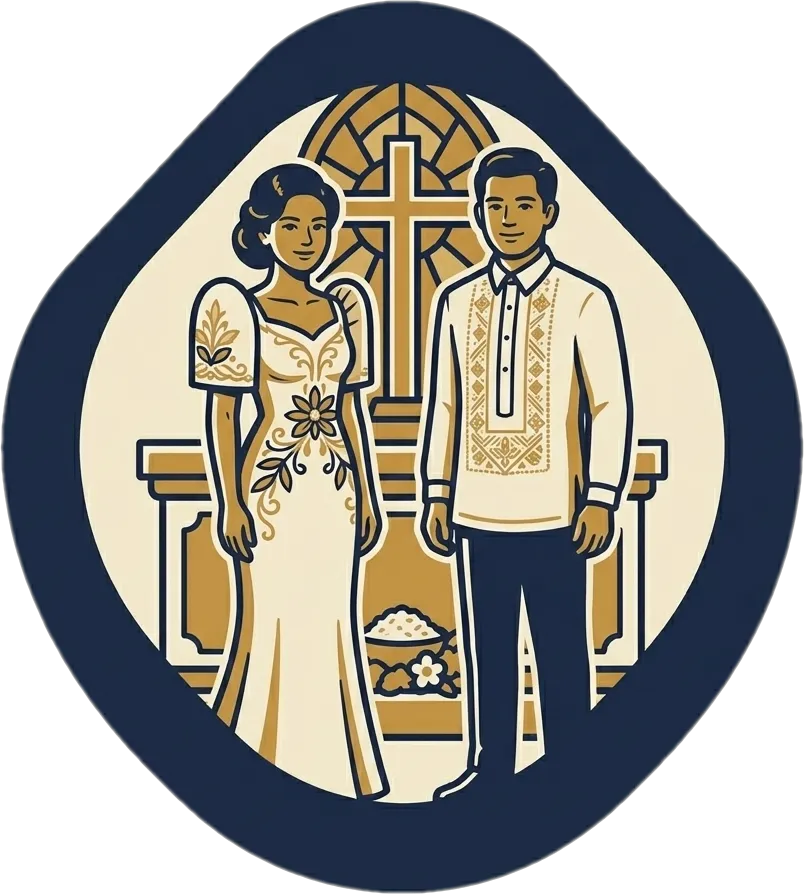
From root: kasal
Conjugations
Past (Completed)
nagkasal
nag-ka-SAL
performed a wedding
Present (Incomplete)
nagkakasal
nag-ka-ka-SAL
performing a wedding
Future (Contemplated)
magkakasal
mag-ka-ka-SAL
will perform a wedding
Usage Note
Magkasal is used when an officiant, such as a priest or a judge, performs a wedding ceremony. It is distinct from 'magpakasal,' which refers to the couple getting married to each other.
Examples
" Sino ang magkakasal sa inyo? "
Natural Translation
Who will marry the two of you?
Literal Translation
Who the will-perform-wedding to you?
" Ang pari ang magkasal sa kanila. "
Natural Translation
The priest is the one who will marry them.
Literal Translation
The priest the-one-to-perform-wedding to them.
" Ang paring nagkasal sa mga magulang ko noon ang siya ring magkakasal sa amin sa susunod na buwan. "
Natural Translation
The priest who married my parents back then is also the one who will marry us next month.
Literal Translation
The priest-that performed-wedding to the parents my before the he also will-perform-wedding to us in next month.
Take Tagalog with you
The full course, a 12,500-word dictionary, and flashcards that make every word stick — free to start on iOS and Android.




Tagalog builds thousands of words from a few hundred roots.
How Tagalog words workWord family
kasal has 7 related forms built from the same root.
Related Words
Explore Tagalog by topic
Free guides on grammar, vocabulary, and culture to take you past single-word lookups.

Tagalog Numbers 1-100: Counting, Time & Money Explained
Learn Tagalog numbers 1-100 and beyond. Master both native and Spanish-derived counting systems, plus telling time, reading prices, and ordinals.

Tagalog Verb Conjugation: Aspects Made Simple
Tagalog verb conjugation uses aspects, not tenses. Learn the three aspects with -um- and mag- verbs, one reduplication rule, and clear example tables.
Po and Opo in Tagalog: Where to Put Them Right
Po and opo confuse learners — but placement follows one rule. Where po goes in a sentence, why it's opo not 'oo po', and the pronoun shift to learn.

Tagalog Pronouns Explained: Complete Chart with Examples
Every Tagalog pronoun explained with clear charts: ang/ng/sa forms, tayo vs kami, ikaw vs ka, politeness markers, and the mistakes beginners make.