lumaban
lumában with stress marks
to fight; to fight back
From root: laban
Conjugations
Past (Completed)
lumaban
lu-MA-ban
fought
Present (Incomplete)
lumalaban
lu-ma-LA-ban
is fighting
Future (Contemplated)
lalaban
la-LA-ban
will fight
Usage Note
Lumaban is the actor-focus -um- form of laban: the one who fights or competes takes ang, and the opponent takes sa. It covers physical fights, competing in a contest, and standing up for oneself; Laban lang! is a common cheer of encouragement.
Examples
" Lumaban ka, kaya mo! "
Natural Translation
Fight on, you can do it!
Literal Translation
Fight you, can you!
" Lumaban siya sa sakit nang halos dalawang taon. "
Natural Translation
She fought the illness for almost two years.
Literal Translation
Fought she against illness for almost two-link year.
" Lalaban ang koponan namin sa kampeonato sa susunod na buwan kaya araw-araw silang nag-eensayo. "
Natural Translation
Our team will compete in the championship next month, so they practice every day.
Literal Translation
Will-fight the team our in championship in next link month so every-day they-link practicing.
Take Tagalog with you
The full course, a 12,500-word dictionary, and flashcards that make every word stick — free to start on iOS and Android.


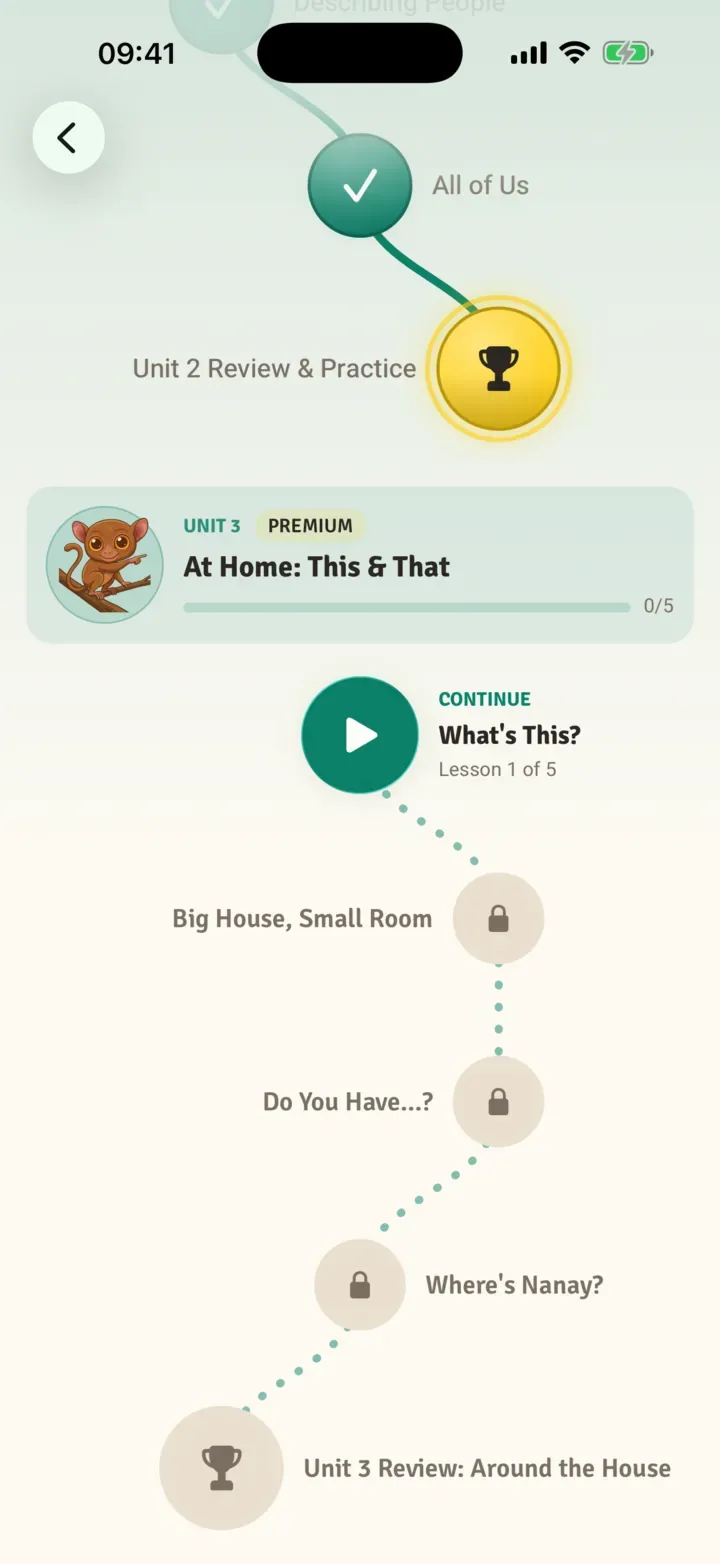
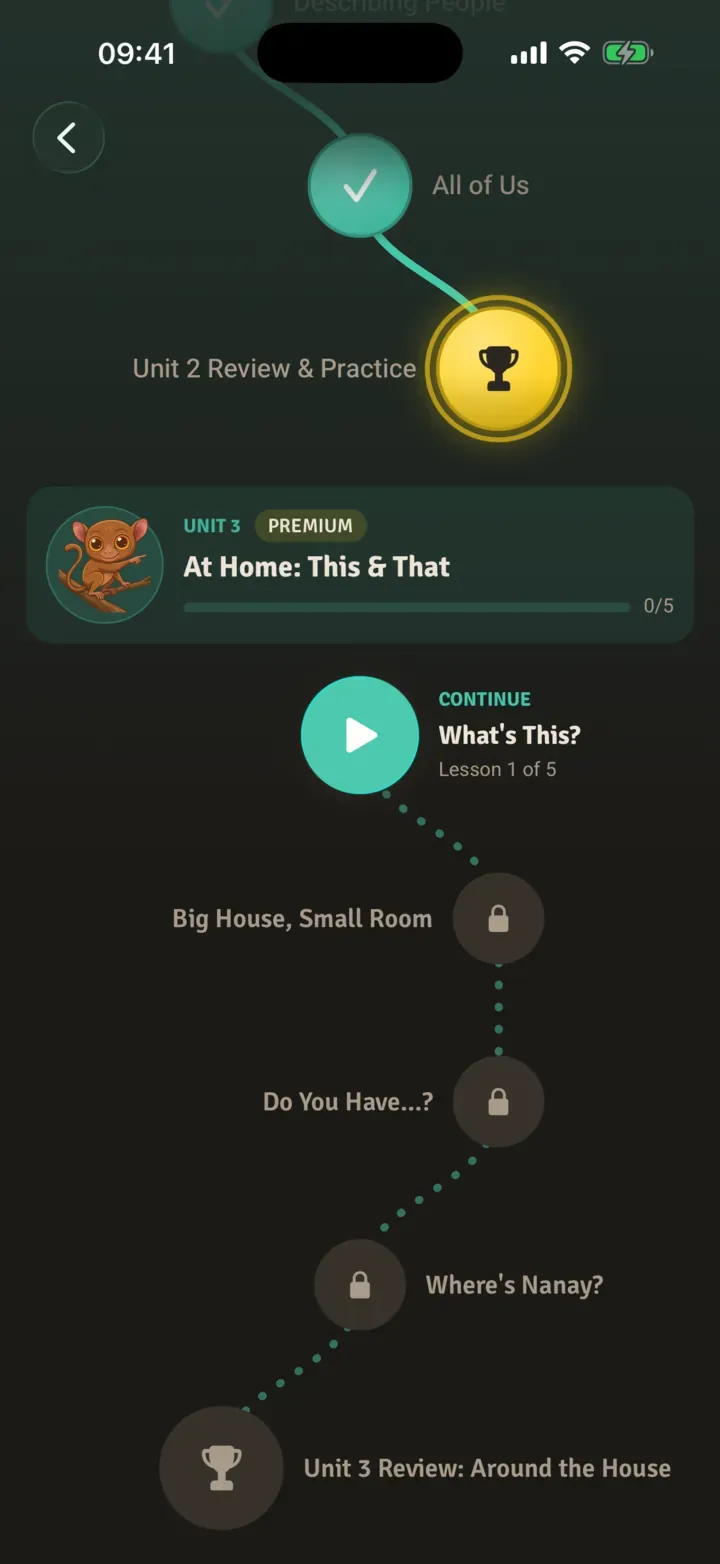
Tagalog builds thousands of words from a few hundred roots.
How Tagalog words workWord family
laban has 2 related forms built from the same root.
Related Words
Explore Tagalog by topic
Free guides on grammar, vocabulary, and culture to take you past single-word lookups.

How to Say Sorry in Tagalog: Patawad vs Pasensya
How to say sorry in Tagalog: patawad, pasensya na, and paumanhin compared on a simple severity-and-formality ladder so you pick the right word every time.

Tagalog Greetings: How to Say Hello, Goodbye & Po/Opo
Master Tagalog greetings with pronunciation: kumusta, magandang umaga, po and opo polite forms, time-of-day phrases, and the mano po tradition.
Spaced Repetition for Tagalog: How Flashcards Make Words Stick
Cramming Tagalog vocabulary fails. See how spaced repetition — the science behind smart flashcards — makes words stick for the long term.

Mano Po and Filipino Etiquette: A Visitor's Guide
Mano po presses an elder's hand to your forehead as a blessing. Learn who to mano, how to lip-point, and the etiquette that wins over a Filipino family.