kamusmusan
kamúsmusan with stress marks
innocence
From root: musmos
Usage Note
Kamusmusan is derived from musmos and evokes the innocence and naivety associated with early childhood — a state free from worldly corruption. It is used nostalgically and poetically, often in literature and songs reflecting on lost innocence or the purity of youth.
Examples
" Naaalala ko ang kamusmusan ko. "
Natural Translation
I remember my childhood innocence.
Literal Translation
Remember I the innocence my.
" Hangad ko ang kamusmusan ng bata. "
Natural Translation
I admire the innocence of the child.
Literal Translation
Desire I the innocence of-the child.
" Habang tumatanda tayo, unti-unti nang naglalaho ang kamusmusan na minsan nating tinaglay nang walang pag-aalala. "
Natural Translation
As we grow older, the innocence we once carried without any worry slowly fades away.
Literal Translation
While aging we, little-by-little now fading the innocence that once we possessed without worry.
Take Tagalog with you
The full course, a 12,500-word dictionary, and flashcards that make every word stick — free to start on iOS and Android.




Tagalog builds thousands of words from a few hundred roots.
How Tagalog words workRelated Words
Explore Tagalog by topic
Free guides on grammar, vocabulary, and culture to take you past single-word lookups.

Is Tagalog Hard to Learn? An Honest Answer
Tagalog takes around 1,100 hours to reach professional proficiency. Here is what is easy, what is hard, and what to expect at 3, 6, and 12 months.

Tagalog Verb Conjugation: Aspects Made Simple
Tagalog verb conjugation uses aspects, not tenses. Learn the three aspects with -um- and mag- verbs, one reduplication rule, and clear example tables.
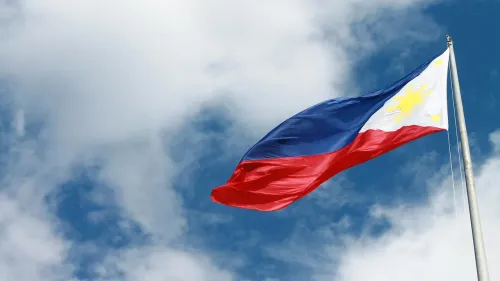
Tagalog vs Filipino: What's the Difference & Which to Learn
Tagalog and Filipino aren't the same language — but they overlap almost completely. Here's the real difference and which one you should actually learn.
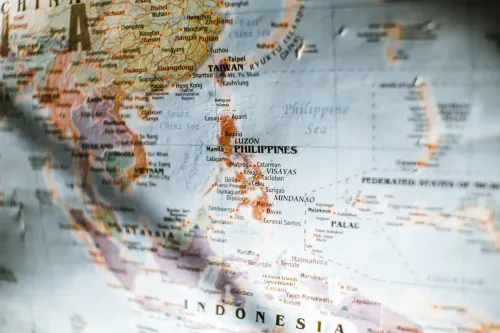
Philippines Geography for Learners: Islands & Language
Philippines geography for Tagalog learners: 7,641 islands, three island groups, and the Southern Luzon heartland where the Tagalog language was born.