magnanakaw
magnanakáw with stress marks
thief
From root: nakaw
Usage Note
Magnanakaw is the standard word for a thief or robber and is used across all registers, from news reports to everyday conversation. It is formed through reduplication and the mag- actor-focus prefix on the root 'nakaw' (to steal). The word carries a strong negative moral judgment and is freely used to describe petty criminals as well as corrupt officials.
Examples
" Nahuli ang magnanakaw kahapon. "
Natural Translation
The thief was caught yesterday.
Literal Translation
Caught the thief yesterday.
" Nahuli ang magnanakaw. "
Natural Translation
The thief was caught.
Literal Translation
Caught the thief.
" Hinabol ng mga pulis ang magnanakaw na tumakas matapos nitong nakawan ang isang tindahan sa palengke. "
Natural Translation
The police chased the thief who fled after he robbed a store in the market.
Literal Translation
Chased by the [plural] police the thief who escaped after this robbed the one store in market.
Take Tagalog with you
The full course, a 12,500-word dictionary, and flashcards that make every word stick — free to start on iOS and Android.




Tagalog builds thousands of words from a few hundred roots.
How Tagalog words workWord family
nakaw has 2 related forms built from the same root.
Related Words
Explore Tagalog by topic
Free guides on grammar, vocabulary, and culture to take you past single-word lookups.
Days of the Week and Months in Tagalog
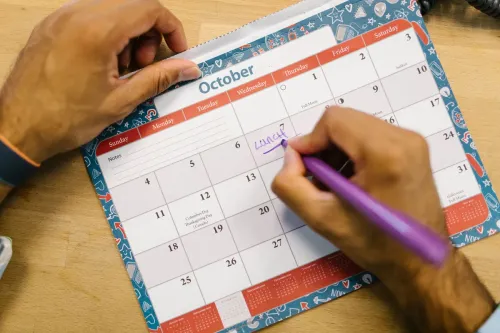
The days of the week and months in Tagalog are Spanish loanwords. Learn all 7 days and 12 months with pronunciation, plus how to say dates and 'every Monday.'
Po and Opo in Tagalog: Where to Put Them Right
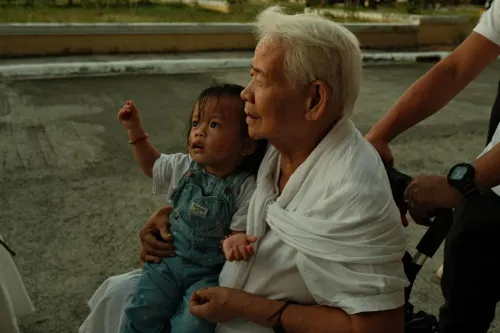
Po and opo confuse learners — but placement follows one rule. Where po goes in a sentence, why it's opo not 'oo po', and the pronoun shift to learn.

Tagalog Affixes Explained: A Beginner's Guide to Word Building
Tagalog affixes turn one root word into dozens of meanings. Learn prefixes, infixes, suffixes, and circumfixes with clear examples for beginners.

Tagalog Greetings: How to Say Hello, Goodbye & Po/Opo
Master Tagalog greetings with pronunciation: kumusta, magandang umaga, po and opo polite forms, time-of-day phrases, and the mano po tradition.