oyayi
oyayî with stress marks
lullaby; cradle song
Usage Note
Oyayi is a native Tagalog word for a lullaby or song sung to soothe a baby to sleep. Traditional oyayi are an important part of Filipino oral literature with regional variations, and the genre is studied in Philippine folklore and music education as a tender expression of parental care.
Examples
" Inaawitan niya ng oyayi ang bata. "
Natural Translation
He/she sings a lullaby to the child.
Literal Translation
Singing-to he/she of lullaby the child.
" Inawitan ng ina ng oyayi ang kanyang sanggol. "
Natural Translation
The mother sang a lullaby to his/her baby.
Literal Translation
Sang of mother of lullaby the his/her baby.
" Habang dahan-dahang umuugoy ang duyan, marahan niyang inawit ang oyayi hanggang makatulog ang sanggol. "
Natural Translation
While the cradle gently rocked, he/she softly sang the lullaby until the baby fell asleep.
Literal Translation
While slowly rocking the cradle, gently he/she sang the lullaby until be-able-to-sleep the baby.
Take Tagalog with you
The full course, a 12,500-word dictionary, and flashcards that make every word stick — free to start on iOS and Android.




Tagalog builds thousands of words from a few hundred roots.
How Tagalog words workRelated Words
Explore Tagalog by topic
Free guides on grammar, vocabulary, and culture to take you past single-word lookups.

Languages of the Philippines: Tagalog, Cebuano, and More
Languages of the Philippines: one national language (Filipino) plus 180+ regional languages. Here's who speaks what, where, and why it matters to you.

Tagalog Pronouns Explained: Complete Chart with Examples
Every Tagalog pronoun explained with clear charts: ang/ng/sa forms, tayo vs kami, ikaw vs ka, politeness markers, and the mistakes beginners make.
Spaced Repetition for Tagalog: How Flashcards Make Words Stick
Cramming Tagalog vocabulary fails. See how spaced repetition — the science behind smart flashcards — makes words stick for the long term.
Mano Po and Filipino Etiquette: A Visitor's Guide
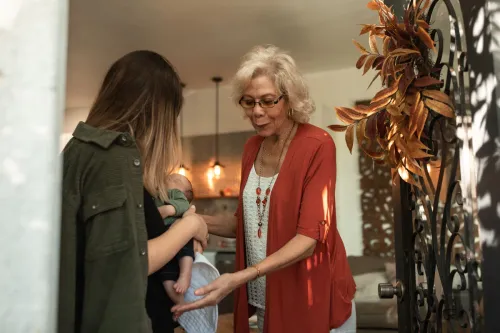
Mano po presses an elder's hand to your forehead as a blessing. Learn who to mano, how to lip-point, and the etiquette that wins over a Filipino family.