From root: patag
Usage Note
Napakapatag is used to emphasize that a surface is exceptionally even and devoid of any slopes or bumps.
Examples
" Napakapatag ng bukid. "
Natural Translation
The field is very flat.
Literal Translation
Very-flat the field.
" Napakapatag ng lupang ito. "
Natural Translation
This land is very flat.
Literal Translation
Very flat [ligature] land this.
" Napakapatag ng kalsada sa probinsiya kaya napakadali at panatag ng biyahe namin papuntang bayan. "
Natural Translation
The road in the province is very flat, so our trip to town was very easy and smooth.
Literal Translation
Very-flat the road in province so very-easy and calm the trip our going-to town.
Take Tagalog with you
The full course, a 12,500-word dictionary, and flashcards that make every word stick — free to start on iOS and Android.




Tagalog builds thousands of words from a few hundred roots.
How Tagalog words workWord family
patag has 7 related forms built from the same root.
Related Words
Explore Tagalog by topic
Free guides on grammar, vocabulary, and culture to take you past single-word lookups.
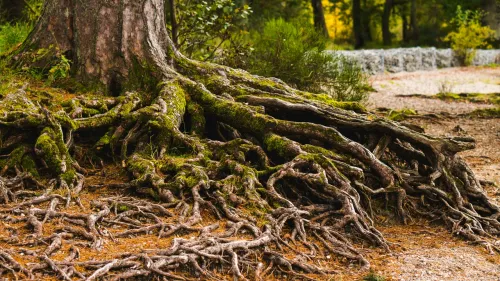
Tagalog Root Words: Learn a Few Hundred, Understand Thousands
Tagalog root words unlock vocabulary fast: learn a few hundred and recognize thousands. Real word families, examples, and a practical study strategy.
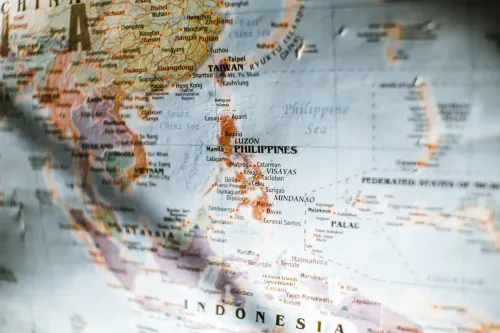
Philippines Geography for Learners: Islands & Language
Philippines geography for Tagalog learners: 7,641 islands, three island groups, and the Southern Luzon heartland where the Tagalog language was born.

Spaced Repetition for Tagalog: How Flashcards Make Words Stick
Cramming Tagalog vocabulary fails. See how spaced repetition — the science behind smart flashcards — makes words stick for the long term.

Is Tagalog Hard to Learn? An Honest Answer
Tagalog takes around 1,100 hours to reach professional proficiency. Here is what is easy, what is hard, and what to expect at 3, 6, and 12 months.