From root: pusa
Usage Note
Pusakal is often used to describe habitual criminals or stray animals that have become wild and hardened. It conveys a sense of being deeply ingrained in a lifestyle or behavior.
Examples
" Pusakal na siya ngayon. "
Natural Translation
He's hardened now.
Literal Translation
Hardened already he now.
" Ang pusakal na kriminal ay nahuli na. "
Natural Translation
The hardened criminal has been caught.
Literal Translation
The hardened criminal is caught already.
" Kahit ilang beses na siyang nakulong, nanatili siyang pusakal na walang anumang pagsisisi sa kaniyang mga ginawa. "
Natural Translation
No matter how many times he's been jailed, he remained a hardened man with no remorse for what he did.
Literal Translation
Even how-many times already he was-jailed, remained he hardened that without any regret for his deeds.
Take Tagalog with you
The full course, a 12,500-word dictionary, and flashcards that make every word stick — free to start on iOS and Android.




Tagalog builds thousands of words from a few hundred roots.
How Tagalog words workWord family
pusa has 2 related forms built from the same root.
Related Words
Explore Tagalog by topic
Free guides on grammar, vocabulary, and culture to take you past single-word lookups.

Spaced Repetition for Tagalog: How Flashcards Make Words Stick
Cramming Tagalog vocabulary fails. See how spaced repetition — the science behind smart flashcards — makes words stick for the long term.

Languages of the Philippines: Tagalog, Cebuano, and More
Languages of the Philippines: one national language (Filipino) plus 180+ regional languages. Here's who speaks what, where, and why it matters to you.

Tagalog Affixes Explained: A Beginner's Guide to Word Building
Tagalog affixes turn one root word into dozens of meanings. Learn prefixes, infixes, suffixes, and circumfixes with clear examples for beginners.
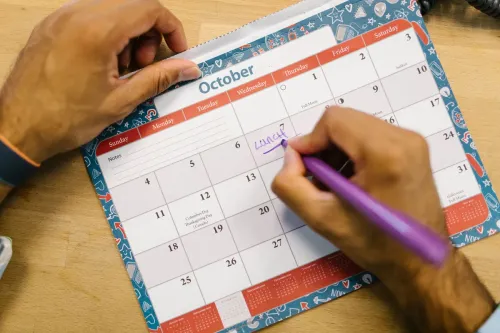
Days of the Week and Months in Tagalog
The days of the week and months in Tagalog are Spanish loanwords. Learn all 7 days and 12 months with pronunciation, plus how to say dates and 'every Monday.'