rantso
rántsò with stress marks
ranch
Usage Note
Rantso comes from Spanish 'rancho' and refers to a ranch or large farm, typically for livestock. It is more common in Mindanao and areas shaped by Spanish colonial land-grant traditions, and can also informally refer to a simple rural settlement.
Examples
" May rantso sila sa Bukidnon. "
Natural Translation
They have a ranch in Bukidnon.
Literal Translation
Has ranch they in Bukidnon.
" May malaking rantso sila sa Bukidnon na puno ng mga baka. "
Natural Translation
They have a large ranch in Bukidnon full of cattle.
Literal Translation
Has large ranch they in Bukidnon that full of plural cattle.
" Minana ng lolo ko ang malawak na rantso na pinag-aalagaan ng mga baka at kabayo simula pa noong unang panahon. "
Natural Translation
My grandfather inherited the vast ranch where cattle and horses have been raised since the old days.
Literal Translation
Inherited of grandfather my the vast ranch that being-raised of plural cattle and horse since even when first time.
Take Tagalog with you
The full course, a 12,500-word dictionary, and flashcards that make every word stick — free to start on iOS and Android.




Tagalog builds thousands of words from a few hundred roots.
How Tagalog words workRelated Words
Explore Tagalog by topic
Free guides on grammar, vocabulary, and culture to take you past single-word lookups.

Tagalog Greetings: How to Say Hello, Goodbye & Po/Opo
Master Tagalog greetings with pronunciation: kumusta, magandang umaga, po and opo polite forms, time-of-day phrases, and the mano po tradition.

How to Say "I Love You" in Tagalog: Phrases & Meaning
Learn how to say I love you in Tagalog. Mahal kita, Iniibig kita, and Filipino terms of endearment for partners, family, and friends — with cultural notes.

How Long Does It Take to Learn Tagalog?
Survival Tagalog takes ~3-4 weeks and comfortable conversation 6-12 months. FSI's 1,100 hours is the professional bar, not the talking-to-family bar.
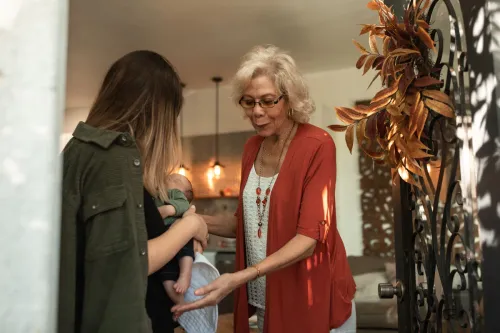
Mano Po and Filipino Etiquette: A Visitor's Guide
Mano po presses an elder's hand to your forehead as a blessing. Learn who to mano, how to lip-point, and the etiquette that wins over a Filipino family.