rebentador
rebentadór with stress marks
firecracker
Usage Note
Rebentador comes from Spanish 'reventador' and refers to firecrackers or explosive fireworks. Despite ongoing government restrictions and annual injuries, firecrackers remain deeply embedded in Filipino New Year celebrations, and the word is commonly heard in December news reports about firecracker-related accidents.
Examples
" Maingay ang rebentador. "
Natural Translation
The firecracker is loud.
Literal Translation
Loud the firecracker.
" Ipinagbawal ng gobyerno ang paggamit ng rebentador sa paligid ng mga ospital. "
Natural Translation
The government banned the use of firecrackers near hospitals.
Literal Translation
Banned the government the use of firecrackers near the plural hospital.
" Tuwing bisperas ng Bagong Taon, nagpapaputok ng rebentador ang mga kabataan kahit alam nilang delikado ito. "
Natural Translation
Every New Year's Eve, young people set off firecrackers even though they know it is dangerous.
Literal Translation
Every eve of New Year, setting-off of firecracker the plural youth even know they-that dangerous this.
Take Tagalog with you
The full course, a 12,500-word dictionary, and flashcards that make every word stick — free to start on iOS and Android.




Tagalog builds thousands of words from a few hundred roots.
How Tagalog words workRelated Words
Explore Tagalog by topic
Free guides on grammar, vocabulary, and culture to take you past single-word lookups.
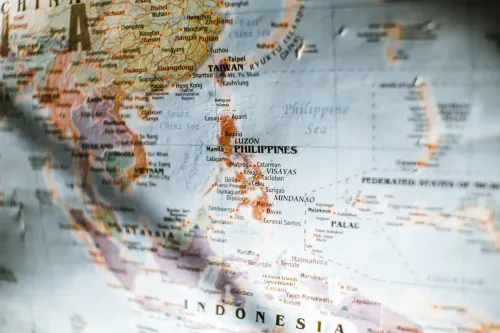
Philippines Geography for Learners: Islands & Language
Philippines geography for Tagalog learners: 7,641 islands, three island groups, and the Southern Luzon heartland where the Tagalog language was born.

Philippine Christmas Traditions: World's Longest Holiday
Philippine Christmas traditions run four months — from Ber-month carols to Simbang Gabi dawn masses, Noche Buena feasts, and parol lanterns lighting every street.
How to Say Sorry in Tagalog: Patawad vs Pasensya
How to say sorry in Tagalog: patawad, pasensya na, and paumanhin compared on a simple severity-and-formality ladder so you pick the right word every time.

Languages of the Philippines: Tagalog, Cebuano, and More
Languages of the Philippines: one national language (Filipino) plus 180+ regional languages. Here's who speaks what, where, and why it matters to you.