sumagpang
sumagpáng with stress marks
to snap at
From root: sagpang
Conjugations
Past (Completed)
sumagpang
su-mag-PANG
snapped
Present (Incomplete)
sumasagpang
su-ma-sag-PANG
is snapping
Future (Contemplated)
sasagpang
sa-sag-PANG
will snap
Usage Note
Sumagpang is the actor-focus -um- form of sagpang, describing a sudden lunging bite or snatch — a dog snapping at food, a fish striking bait. It also extends figuratively to a person who grabs an opportunity or cuts into a conversation abruptly.
Examples
" Sumagpang ang aso sa pagkain. "
Natural Translation
The dog snapped at the food.
Literal Translation
Snapped the dog at the food.
" Mahilig sumagpang ng insekto ang palaka sa sapa. "
Natural Translation
The frog in the creek loves to snap at insects.
Literal Translation
Fond to snap at of insect the frog in creek.
" Mabilis sumagpang ng pain ang isda kaya agad humigpit ang kapit ng mangingisda sa pamingwit. "
Natural Translation
The fish struck at the bait so quickly that the fisherman immediately tightened his grip on the rod.
Literal Translation
Quick to snap-at of bait the fish so immediately tightened the grip of fisherman on rod.
Take Tagalog with you
The full course, a 12,500-word dictionary, and flashcards that make every word stick — free to start on iOS and Android.




Tagalog builds thousands of words from a few hundred roots.
How Tagalog words workWord family
sagpang has 1 related form built from the same root.
Related Words
Explore Tagalog by topic
Free guides on grammar, vocabulary, and culture to take you past single-word lookups.

Tagalog Root Words: Learn a Few Hundred, Understand Thousands
Tagalog root words unlock vocabulary fast: learn a few hundred and recognize thousands. Real word families, examples, and a practical study strategy.

Ang, Ng, Sa: The 3 Tagalog Case Markers Explained
Ang, ng, sa are the three Tagalog case markers every noun takes. Learn what each does, the personal forms si/ni/kay, plurals with mga, and clear examples.
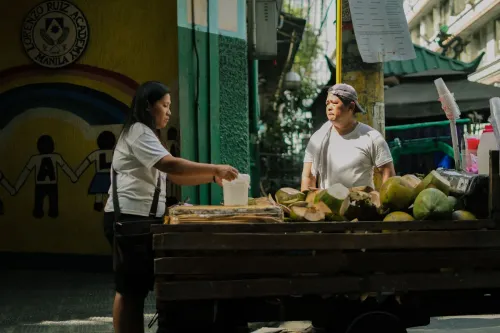
Magkano: How to Ask "How Much" in Tagalog
Magkano means how much in Tagalog. Learn to ask a price, tell it apart from ilan and gaano, sound polite with po, and haggle at the palengke.
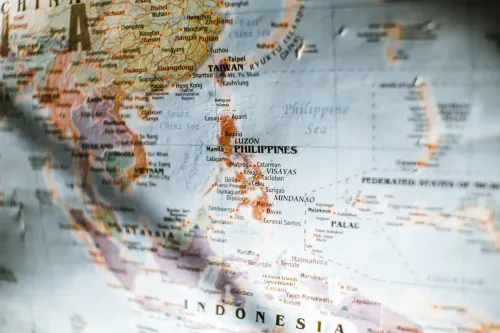
Philippines Geography for Learners: Islands & Language
Philippines geography for Tagalog learners: 7,641 islands, three island groups, and the Southern Luzon heartland where the Tagalog language was born.