sumibol
sumíbol with stress marks
to sprout
From root: sibol
Conjugations
Past (Completed)
sumibol
su-MI-bol
sprouted
Present (Incomplete)
sumisibol
su-mi-SI-bol
is sprouting
Future (Contemplated)
sisibol
si-SI-bol
will sprout
Usage Note
Sumibol is the actor-focus -um- form of sibol, describing seeds germinating, water springing up, or talent emerging. It is used both literally in agricultural and natural contexts and metaphorically for the unfolding of new life or development.
Examples
" Sumibol ang mga bulaklak sa hardin. "
Natural Translation
The flowers sprouted in the garden.
Literal Translation
Sprouted the flowers in garden.
" Nagsimulang sumibol ang mga bagong halaman sa aking hardin kahapon. "
Natural Translation
New plants started to sprout in my garden yesterday.
Literal Translation
Started to-sprout the new plants in my garden yesterday.
" Kahit gaano kahirap ang nakaraang taon, muling sumibol ang pag-asa sa puso ng pamilya nang magkaroon sila ng bagong simula. "
Natural Translation
No matter how hard the past year was, hope sprouted again in the family's heart when they got a fresh start.
Literal Translation
Even how hard the past year, again sprouted the hope in heart of family when had they of new beginning.
Take Tagalog with you
The full course, a 12,500-word dictionary, and flashcards that make every word stick — free to start on iOS and Android.




Tagalog builds thousands of words from a few hundred roots.
How Tagalog words workRelated Words
Explore Tagalog by topic
Free guides on grammar, vocabulary, and culture to take you past single-word lookups.

Tagalog Greetings: How to Say Hello, Goodbye & Po/Opo
Master Tagalog greetings with pronunciation: kumusta, magandang umaga, po and opo polite forms, time-of-day phrases, and the mano po tradition.

Seasons in the Philippines: A Tagalog Guide
The Philippines has two seasons, not four. Learn tag-araw, tag-ulan, and taglamig, the generative tag- prefix, and the weather vocabulary to match.

How Long Does It Take to Learn Tagalog?
Survival Tagalog takes ~3-4 weeks and comfortable conversation 6-12 months. FSI's 1,100 hours is the professional bar, not the talking-to-family bar.
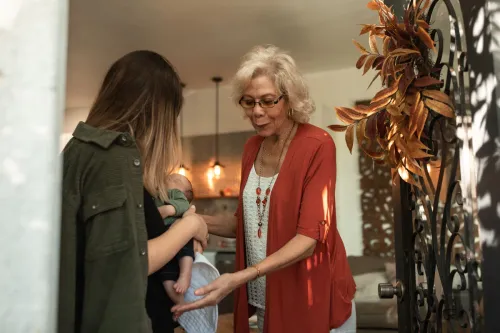
Mano Po and Filipino Etiquette: A Visitor's Guide
Mano po presses an elder's hand to your forehead as a blessing. Learn who to mano, how to lip-point, and the etiquette that wins over a Filipino family.