From root: tapat
Conjugations
Past (Completed)
tumapat
tu-ma-PAT
stood opposite
Present (Incomplete)
tumatapat
tu-ma-ta-PAT
standing opposite
Future (Contemplated)
tatapat
ta-ta-PAT
will stand opposite
Usage Note
Tumapat is used when positioning oneself directly in front of or across from a person, object, or place, often used in contexts like parking a vehicle or aligning oneself with an opening. It can also imply being direct or honest, though it is primarily used for physical placement.
Examples
" Tumapat ka sa pinto. "
Natural Translation
Stand opposite the door.
Literal Translation
Stand-opposite you at door.
" Sinubukan niyang tumapat sa salamin. "
Natural Translation
He tried to stand opposite the mirror.
Literal Translation
Tried he stand-opposite at mirror.
" Tumapat ang kotse sa gate ng bahay namin, kaya hindi kami makalabas nang maayos. "
Natural Translation
The car parked right in front of our house's gate, so we couldn't get out properly.
Literal Translation
Stood-opposite the car at gate of house our, so not we can-exit properly.
Take Tagalog with you
The full course, a 12,500-word dictionary, and flashcards that make every word stick — free to start on iOS and Android.




Tagalog builds thousands of words from a few hundred roots.
How Tagalog words workWord family
tapat has 10 related forms built from the same root.
Related Words
Explore Tagalog by topic
Free guides on grammar, vocabulary, and culture to take you past single-word lookups.
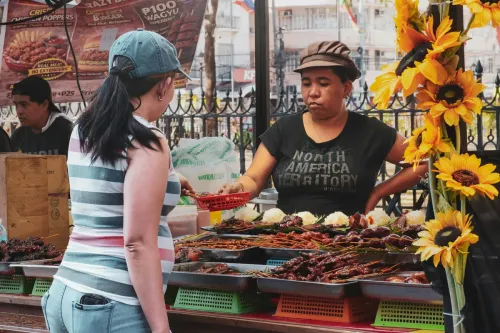
May vs Mayroon vs Meron: Have & There Is
May vs mayroon in Tagalog finally made simple: one rule decides which to use, plus how meron and wala fit the same have and there-is family.

Tagalog Greetings: How to Say Hello, Goodbye & Po/Opo
Master Tagalog greetings with pronunciation: kumusta, magandang umaga, po and opo polite forms, time-of-day phrases, and the mano po tradition.
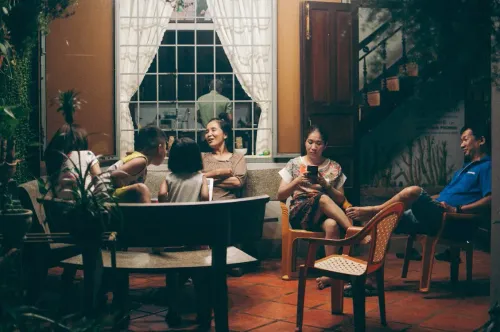
Filipino Family Words and Honorifics: Ate, Kuya & Tita
Filipino family words like ate, kuya, tita, tito, lolo, and lola go far beyond family — learn how Filipinos use them with strangers, plus mano po etiquette.
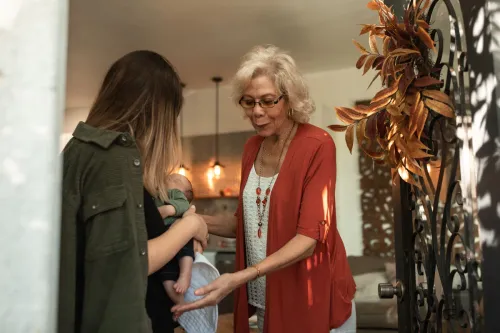
Mano Po and Filipino Etiquette: A Visitor's Guide
Mano po presses an elder's hand to your forehead as a blessing. Learn who to mano, how to lip-point, and the etiquette that wins over a Filipino family.