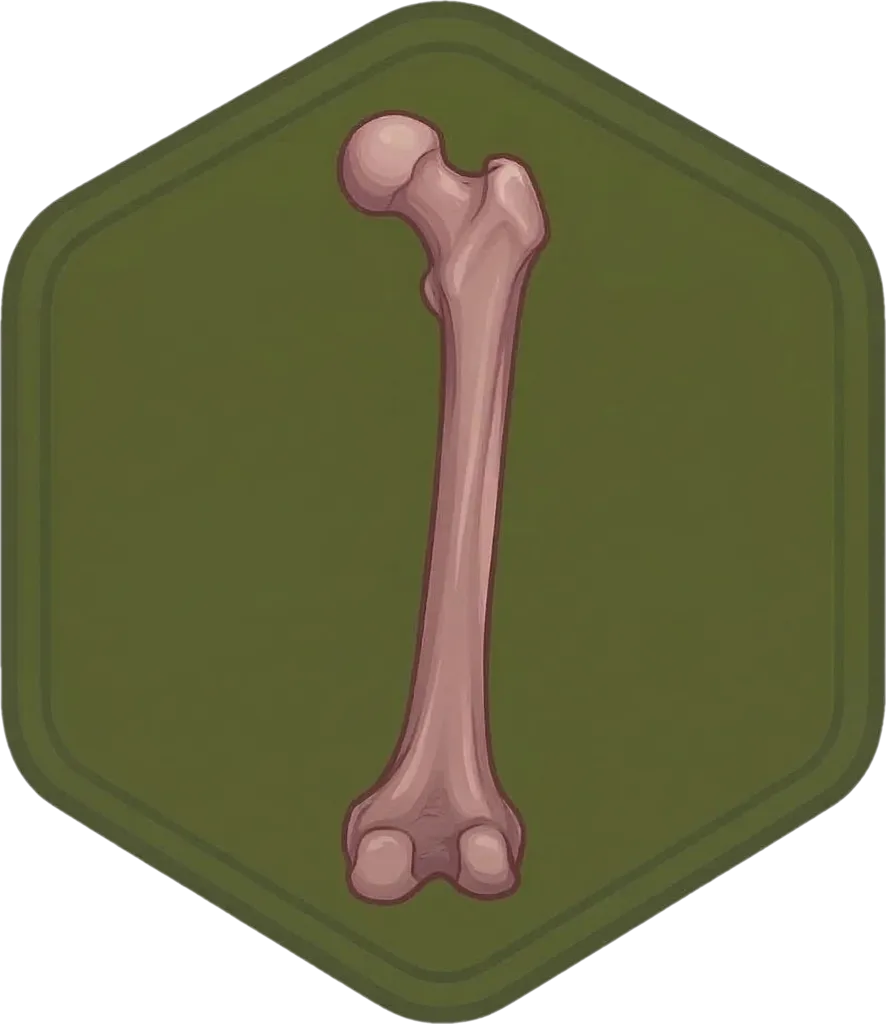
From root: buto
Conjugations
Past (Completed)
binutuhan
bi-nu-tu-HAN
removed seeds or bones from
Present (Incomplete)
binubutuhan
bi-nu-bu-tu-HAN
removing seeds or bones from
Future (Contemplated)
bubutuhan
bu-bu-tu-HAN
will remove seeds or bones from
Usage Note
Butuhan is used primarily in culinary contexts when preparing fruits to remove seeds or when deboning meat and fish for a dish. It is a specific directional verb focusing on the object being cleared of its 'buto' (seeds or bones).
Examples
" Butuhan mo muna ang mangga. "
Natural Translation
Remove the seeds from the mango first.
Literal Translation
Remove-seeds-from you first the mango.
" Nagsimulang butuhan ni Lola ang mangga. "
Natural Translation
Grandma started to remove the seeds from the mango.
Literal Translation
Started-to remove-seeds-from Grandma the mango.
" Bago mo lutuin ang isda, butuhan mo muna ito nang maigi para hindi mabulunan ang mga bata. "
Natural Translation
Before you cook the fish, debone it well first so that the children do not choke.
Literal Translation
Before you cook the fish, debone you first it well so-that not choke the plural child.
Take Tagalog with you
The full course, a 12,500-word dictionary, and flashcards that make every word stick — free to start on iOS and Android.




Tagalog builds thousands of words from a few hundred roots.
How Tagalog words workWord family
buto has 4 related forms built from the same root.
Related Words
Explore Tagalog by topic
Free guides on grammar, vocabulary, and culture to take you past single-word lookups.

Tagalog Question Words: Ano, Sino, Saan & More
Tagalog question words like ano, sino, and saan need the right frame to work. Learn the ang-vs-pronoun rule, confusable pairs, and the ba particle with audio.
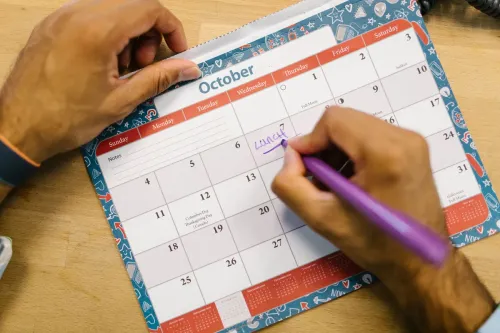
Days of the Week and Months in Tagalog
The days of the week and months in Tagalog are Spanish loanwords. Learn all 7 days and 12 months with pronunciation, plus how to say dates and 'every Monday.'

Tagalog vs Filipino: What's the Difference & Which to Learn
Tagalog and Filipino aren't the same language — but they overlap almost completely. Here's the real difference and which one you should actually learn.

Tagalog Greetings: How to Say Hello, Goodbye & Po/Opo
Master Tagalog greetings with pronunciation: kumusta, magandang umaga, po and opo polite forms, time-of-day phrases, and the mano po tradition.