Usage Note
Eksterminasyon refers to the complete destruction or killing of a group — whether pests, animals, or in historical and political contexts, people. The word appears in pest-control services and in serious human-rights discussions about historical atrocities.
Examples
" Ekstensibo ang sakop ng pag-aaral. "
Natural Translation
The scope of the study is extensive.
Literal Translation
Extensive the scope of study.
" Inutusan ang koponan para sa eksterminasyon ng mga daga sa bodega. "
Natural Translation
The team was ordered to carry out the extermination of rats in the warehouse.
Literal Translation
Ordered the team for the extermination of-the rats in-the warehouse.
" Bago nila inilabas ang ulat, nagsagawa sila ng ekstensibong pananaliksik na tumagal ng halos tatlong taon sa iba't ibang rehiyon. "
Natural Translation
Before they released the report, they conducted extensive research that lasted almost three years across various regions.
Literal Translation
Before they released the report, conducted they of extensive research that lasted of almost three years in various regions.
Take Tagalog with you
The full course, a 12,500-word dictionary, and flashcards that make every word stick — free to start on iOS and Android.




Tagalog builds thousands of words from a few hundred roots.
How Tagalog words workRelated Words
Explore Tagalog by topic
Free guides on grammar, vocabulary, and culture to take you past single-word lookups.
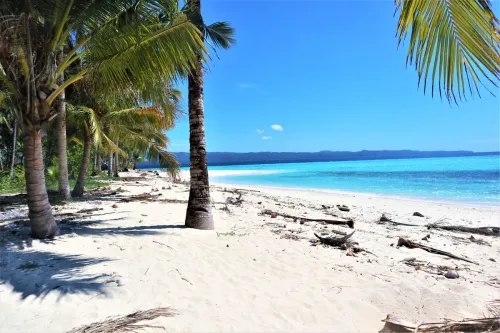
Seasons in the Philippines: A Tagalog Guide
The Philippines has two seasons, not four. Learn tag-araw, tag-ulan, and taglamig, the generative tag- prefix, and the weather vocabulary to match.

Tagalog Root Words: Learn a Few Hundred, Understand Thousands
Tagalog root words unlock vocabulary fast: learn a few hundred and recognize thousands. Real word families, examples, and a practical study strategy.

Tagalog Pronouns Explained: Complete Chart with Examples
Every Tagalog pronoun explained with clear charts: ang/ng/sa forms, tayo vs kami, ikaw vs ka, politeness markers, and the mistakes beginners make.
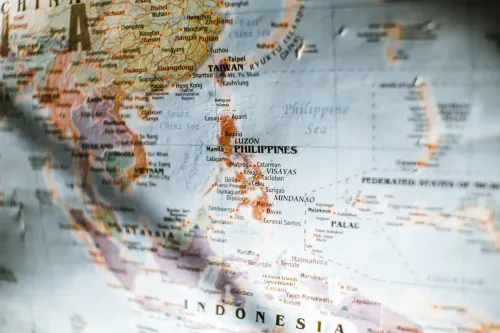
Philippines Geography for Learners: Islands & Language
Philippines geography for Tagalog learners: 7,641 islands, three island groups, and the Southern Luzon heartland where the Tagalog language was born.