habanera
habanéra with stress marks
slow dance from Cuba
Usage Note
Habanera is a musical and dance form originating in Havana that was introduced to the Philippines through Spanish colonial culture, in slow 2/4 time. It influenced early Filipino music and stage performance, and today appears mainly in classical music education and historical zarzuela productions.
Examples
" Marunong silang sumayaw ng habanera. "
Natural Translation
They know how to dance the habanera.
Literal Translation
Know they to-dance of habanera.
" Ginanap nila ang habanera sa entablado ng teatro. "
Natural Translation
They performed the habanera on the theater stage.
Literal Translation
Performed they the habanera on-the stage of-the theater.
" Sa mga lumang zarzuela, madalas na sinasaliwan ng mabagal na habanera ang mga eksenang puno ng pananabik at pag-ibig. "
Natural Translation
In the old zarzuelas, a slow habanera often accompanied the scenes full of longing and love.
Literal Translation
In-the plural old zarzuela, often that accompanied of-the slow that habanera the plural scene full of longing and love.
Take Tagalog with you
The full course, a 12,500-word dictionary, and flashcards that make every word stick — free to start on iOS and Android.




Tagalog builds thousands of words from a few hundred roots.
How Tagalog words workRelated Words
Explore Tagalog by topic
Free guides on grammar, vocabulary, and culture to take you past single-word lookups.
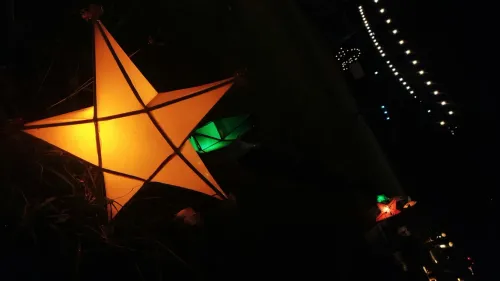
Philippine Christmas Traditions: World's Longest Holiday
Philippine Christmas traditions run four months — from Ber-month carols to Simbang Gabi dawn masses, Noche Buena feasts, and parol lanterns lighting every street.

Magkano: How to Ask "How Much" in Tagalog
Magkano means how much in Tagalog. Learn to ask a price, tell it apart from ilan and gaano, sound polite with po, and haggle at the palengke.
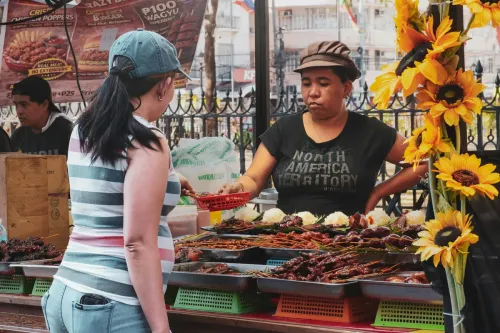
May vs Mayroon vs Meron: Have & There Is
May vs mayroon in Tagalog finally made simple: one rule decides which to use, plus how meron and wala fit the same have and there-is family.

Tagalog Greetings: How to Say Hello, Goodbye & Po/Opo
Master Tagalog greetings with pronunciation: kumusta, magandang umaga, po and opo polite forms, time-of-day phrases, and the mano po tradition.