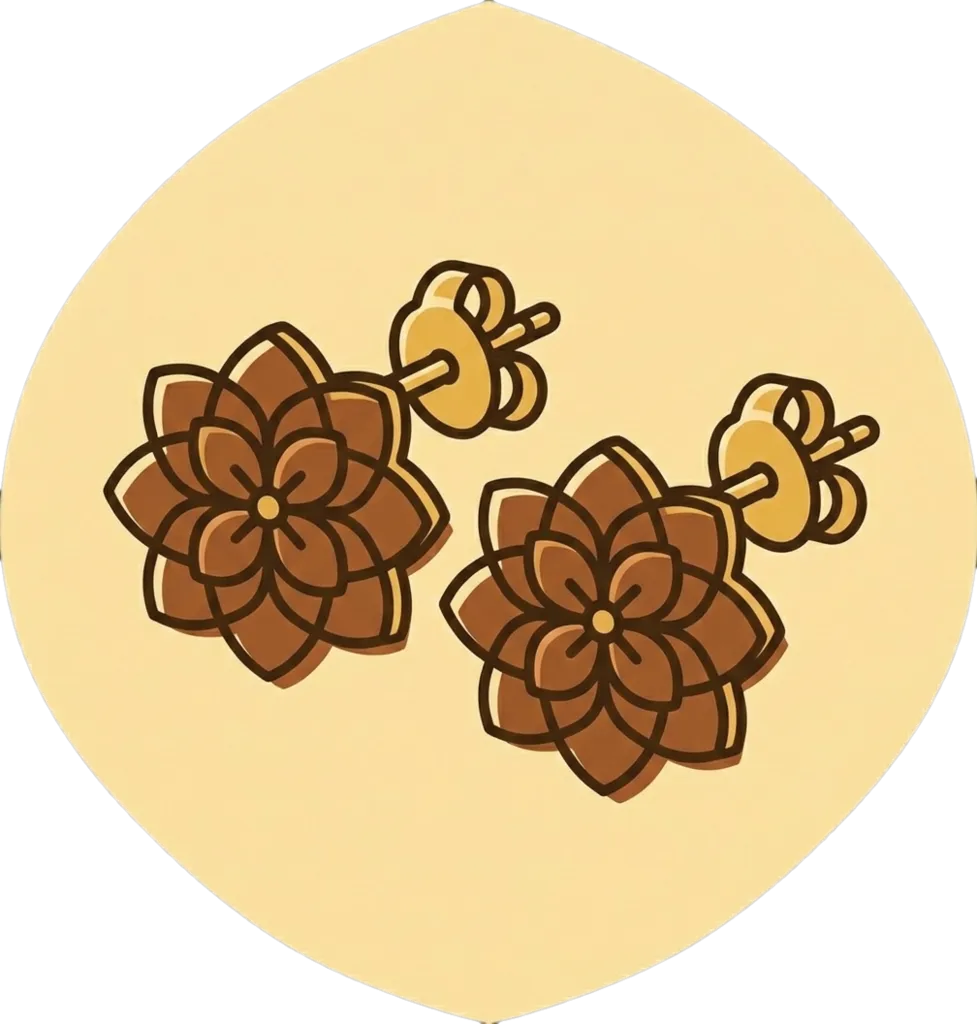
From root: hikaw
Conjugations
Past (Completed)
ihinikaw
i-hi-NI-kaw
wore as an earring
Present (Incomplete)
ihinihikaw
i-hi-ni-HI-kaw
wearing as an earring
Future (Contemplated)
ihihikaw
i-hi-HI-kaw
will wear as an earring
Usage Note
Ihikaw is used when designating a specific object to be worn as an earring, focusing on the item being inserted into the earlobe. It is often used when an unconventional item is being repurposed as jewelry.
Examples
" Ihikaw mo ang perlas na ito. "
Natural Translation
Wear this pearl as an earring.
Literal Translation
Wear-as-earring you the pearl that this.
" Gusto kong ihikaw ang hikaw ko. "
Natural Translation
I want to wear my earring.
Literal Translation
Want I wear-as-earring the earring my.
" Gusto niyang ihikaw ang lumang barya na minana niya sa lola dahil natatangi raw ang hitsura nito. "
Natural Translation
She wants to wear the old coin she inherited from her grandmother as an earring because she says its look is unique.
Literal Translation
Want she wear-as-earring the old coin that inherited she from grandmother because unique reportedly the look its.
Take Tagalog with you
The full course, a 12,500-word dictionary, and flashcards that make every word stick — free to start on iOS and Android.




Tagalog builds thousands of words from a few hundred roots.
How Tagalog words workWord family
hikaw has 5 related forms built from the same root.
Related Words
Explore Tagalog by topic
Free guides on grammar, vocabulary, and culture to take you past single-word lookups.
Filipino Food: 12 Essential Dishes (With Tagalog Names)
Filipino food, from adobo to halo-halo: learn the Tagalog names, pronunciations, and ingredients behind 12 dishes you'll want to try on your first trip.
Spaced Repetition for Tagalog: How Flashcards Make Words Stick
Cramming Tagalog vocabulary fails. See how spaced repetition — the science behind smart flashcards — makes words stick for the long term.
Tagalog vs Filipino: What's the Difference & Which to Learn
Tagalog and Filipino aren't the same language — but they overlap almost completely. Here's the real difference and which one you should actually learn.

Tagalog Greetings: How to Say Hello, Goodbye & Po/Opo
Master Tagalog greetings with pronunciation: kumusta, magandang umaga, po and opo polite forms, time-of-day phrases, and the mano po tradition.